When to Add Garlic and Ginger to Curry for Maximum Flavor
 Jul, 17 2026
Curry Aromatic Timing Guide
Select the step you are currently performing in your curry preparation.
Sauté the Onions
Base BuildingAction Required
Fry onions until they reach a deep golden brown color. This builds the initial sweetness and body of the gravy. Do not rush this step.
Heat Level
Next Step Preview
Once golden, lower heat to medium-low and add your ginger-garlic paste immediately.
Have you ever made a chicken curry that tasted flat, even though you used plenty of garlic and ginger? You followed the recipe, added the ingredients, and simmered it down, but something was missing. The heat was there, the spice blend was authentic, yet the dish lacked that deep, savory backbone found in restaurant-quality curries. The culprit is rarely the quality of your spices or the cut of meat. It is almost always the timing.
In Indian cooking, when you add aromatics like garlic and ginger changes everything. Adding them too early burns them, turning your curry bitter. Adding them too late leaves them raw and pungent, failing to meld with the other flavors. Mastering this specific window of time is the difference between a good home-cooked meal and a truly exceptional one. Let’s break down exactly how to handle these powerful aromatics to build a rich, complex base for your dishes.
The Science of Aromatics: Why Timing Matters
To understand why timing is critical, we need to look at what happens chemically when you cook garlic and ginger. These are not just flavorings; they are foundational building blocks. When crushed or grated, their cell walls break, releasing enzymes that create volatile compounds. In garlic, this is allicin, which provides the sharp, sulfurous punch. In ginger, it’s zingerone and shogaol, responsible for its spicy, warm kick.
If you throw raw garlic into hot oil without proper care, the sulfur compounds burn quickly, creating acrid, bitter notes that ruin the entire pot. Conversely, if you add them after the tomatoes have cooked down, they never undergo the Maillard reaction-the browning process that creates deep, savory umami flavors. They just boil in the liquid, resulting in a disjointed taste where the garlic tastes like garlic, rather than an integrated part of the sauce.
The goal is to "sweat" or "bloom" these aromatics. Sweating softens them and releases their oils without browning them too much, while blooming involves cooking them in fat to distribute their flavor throughout the dish. This step bridges the gap between the raw ingredients and the final spiced gravy.
Preparation Methods: Paste vs. Chopped
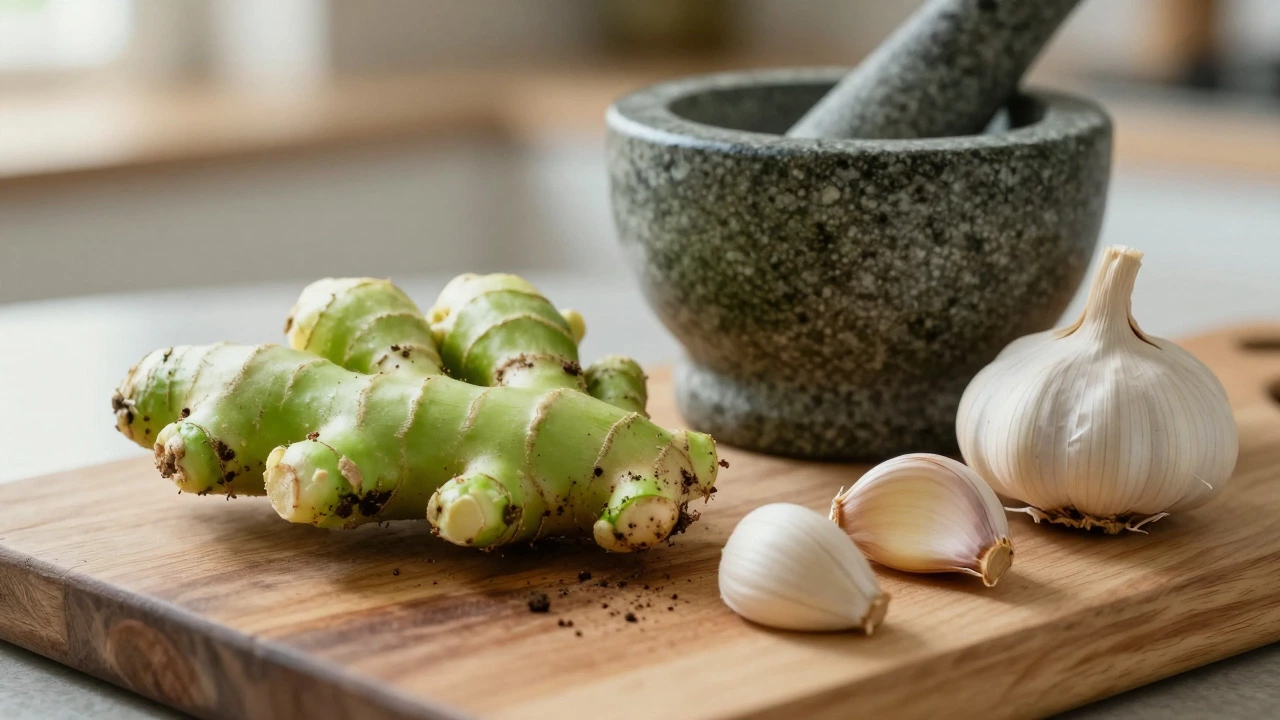
Before discussing the exact minute to add them, consider the form. Most traditional chicken curry recipes call for a smooth paste of blended ginger and garlic. This is different from finely chopped or minced versions used in some regional styles.
- Blended Paste: Creates a uniform texture and integrates seamlessly into the gravy. It cooks faster and distributes flavor evenly. This is standard for North Indian curries like Butter Chicken or Rogan Josh.
- Finely Minced: Provides more texture and distinct bites of flavor. It requires slightly longer cooking to soften fully. Common in South Indian or home-style rural preparations.
- Powdered: Lacks the fresh, bright notes of raw aromatics. Powdered garlic and ginger are often added later with dry spices, but they cannot replace the depth provided by fresh roots.
For the purpose of this guide, we will focus on the fresh blended paste, as it is the most common source of confusion regarding timing. If you use minced, extend the cooking times mentioned below by about two minutes to ensure they soften completely.
The Golden Window: Step-by-Step Integration
Here is the precise sequence for adding garlic and ginger in a standard onion-tomato based curry. This method ensures maximum flavor extraction without bitterness.
- Sauté the Onions: Start by frying onions until they are golden brown. This builds the initial sweetness and body of the gravy. Do not rush this step.
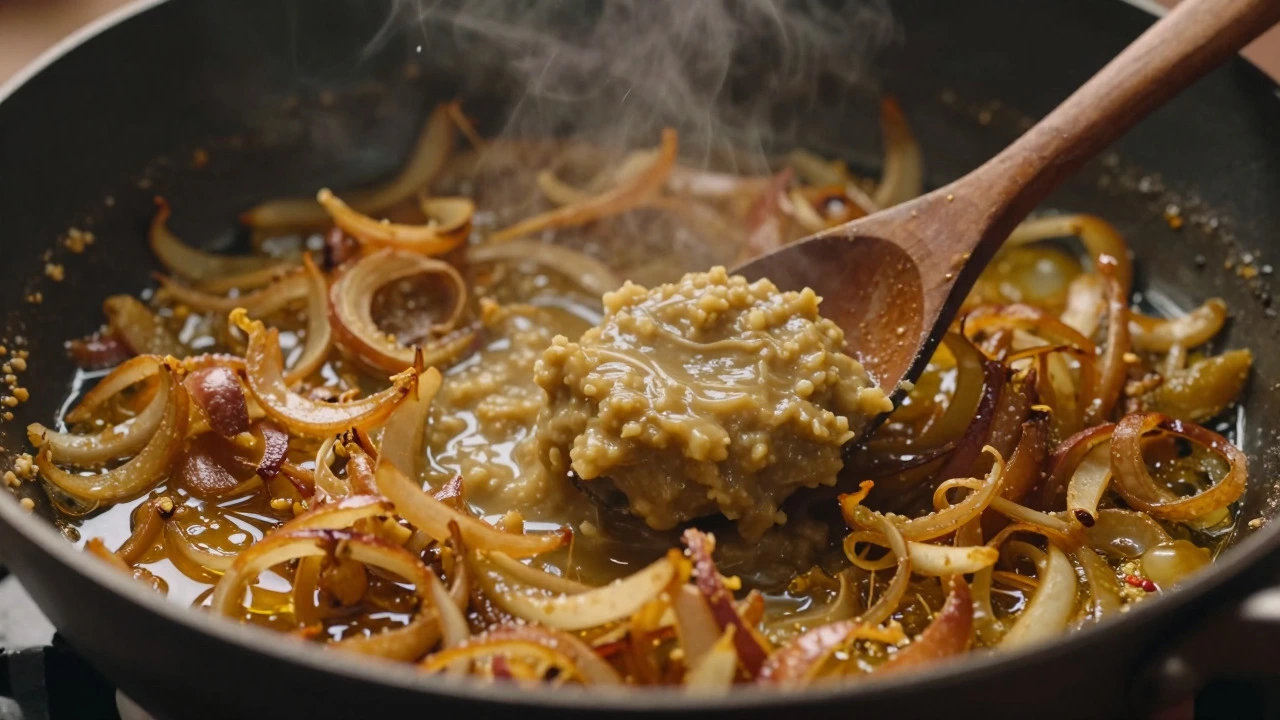
- Add the Aromatics: Once the onions are golden and the oil begins to separate slightly from the masala, lower the heat to medium-low. Add your ginger-garlic paste now.
- Cook Out the Raw Smell: Stir continuously for 1 to 2 minutes. You are looking for the disappearance of the sharp, raw odor. The paste will sizzle vigorously. If you smell a burnt rubber scent, you’ve gone too far. If you still smell strong raw garlic, keep going.
- Add Dry Spices: Immediately after the raw smell fades, add your turmeric, cumin, coriander, and chili powder. The moisture from the paste helps prevent the dry spices from burning instantly upon contact with the hot pan.
- Add Tomatoes: Follow with chopped tomatoes or tomato puree. Cook until the oil separates again.
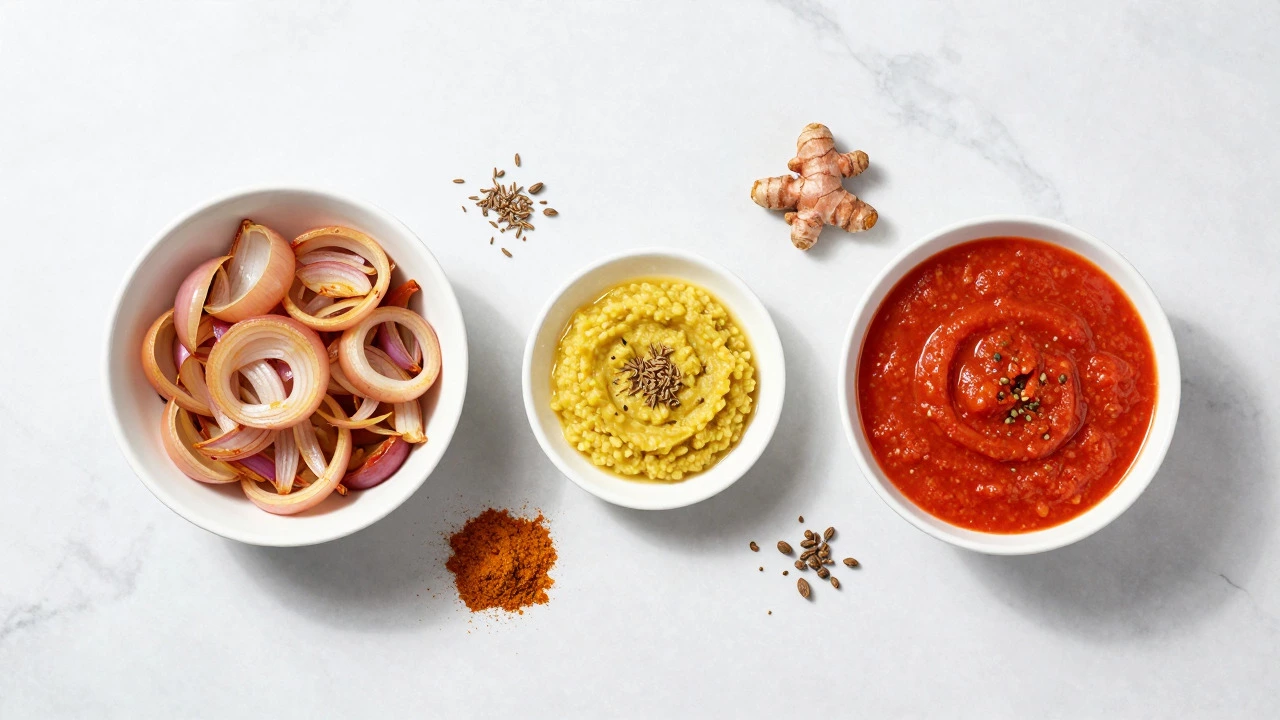
This sequence-Onion → Ginger/Garlic → Dry Spices → Tomato-is the holy grail of curry making. By placing the aromatics between the onions and the dry spices, you allow their flavors to infuse the oil, which then carries the spice flavors into the rest of the dish.
Common Mistakes That Ruin the Flavor
Even experienced cooks make errors here. Here are the three most frequent pitfalls to avoid.
Burning the Paste: Ginger contains water and sugars. When it hits very hot oil, it can splatter and burn rapidly. Always reduce the heat before adding the paste. High heat is for searing meat or crisping onions, not for sweating aromatics.
Adding Too Early: Some recipes suggest adding ginger and garlic at the same time as the onions. While this works for long-simmering stews, it often results in the delicate nuances of the ginger being lost in the long cook time of the onions. For a vibrant curry, wait until the onions are nearly done.
Adding Too Late: Adding ginger and garlic along with the tomatoes or even the chicken means they don’t get enough time to release their essential oils into the fat. The result is a curry where the background flavors feel muddy and undefined.
Variations by Region and Style
Not all curries follow the same rule. Regional variations change the timing based on the desired flavor profile.
| Curry Style | Garlic/Ginger Timing | Reasoning |
|---|---|---|
| North Indian (Butter Chicken) | After onions, before spices | Needs deep integration into the creamy tomato base. |
| South Indian (Kerala Chicken Curry) | With whole spices in oil | Often uses grated ginger/garlic fried with mustard seeds for a sharper bite. |
| Gujarati Style | Early with onions | Milder flavor profile benefits from longer, gentle cooking. |
| Thai-Inspired Curries | Pounded in mortar first | Paste is created with lemongrass and chilies, then fried briefly. |
If you are making a quick weeknight curry, you might be tempted to skip steps. However, taking those extra two minutes to properly cook the ginger and garlic paste pays off exponentially in flavor complexity. It transforms the dish from a simple combination of ingredients into a cohesive culinary experience.
Troubleshooting Your Curry Base
What if you messed up? Don’t toss the whole pot. Here is how to salvage common errors.
If it’s bitter: You likely burned the garlic. Add a pinch of sugar or a splash of coconut milk to counteract the bitterness. You can also add a fresh clove of crushed garlic at the end to mask the burnt taste, though it won’t fully fix it.
If it tastes raw: You didn’t cook the paste long enough. Simmer the curry uncovered for an additional 5-10 minutes to let the alcohol and raw compounds evaporate. Alternatively, stir in a teaspoon of fresh ginger juice to balance the harshness.
If it lacks depth: You may have added the aromatics too late. Next time, try adding a tablespoon of ghee or butter at the very end of cooking. This technique, called 'tadka' or tempering, adds a layer of richness that mimics the depth of properly bloomed spices.
Pro Tips for Better Results
Use a mortar and pestle instead of a blender for small batches. Crushing the ginger and garlic by hand breaks down the fibers more effectively than blades, releasing more oils and creating a smoother paste that integrates better into the curry.
Always use fresh roots. Dried ginger and powdered garlic lack the moisture and enzymatic activity needed for proper blooming. They work as supplements, not replacements.
Smell the pan. Trust your nose over the clock. Every stove has different heat output. If the aroma shifts from pungent to sweet and nutty, you are in the right zone. If it turns acrid, remove the pan from the heat immediately.
By mastering this single variable-when to add your garlic and ginger-you elevate every curry you make. It is a small adjustment that yields massive rewards in flavor, texture, and authenticity. Now, go test it out in your next batch of chicken curry and notice the difference.
Can I add garlic and ginger at the same time as onions?
Yes, you can, but it is not ideal for most curries. Adding them with onions extends the cooking time of the aromatics, which can dull their bright, fresh flavors. It works best for slow-cooked stews where the goal is a very mild, background warmth rather than a prominent aromatic presence.
Why does my curry taste bitter after adding garlic?
Bitterness usually comes from burning the garlic or ginger paste. These ingredients contain sugars and sulfurs that caramelize quickly. If the heat is too high, they burn before they can release their pleasant oils. Always lower the heat to medium-low when adding the paste and stir constantly.
Should I use ginger-garlic paste or fresh minced?
Freshly minced or blended is superior for flavor control. Store-bought pastes often contain preservatives, vinegar, or citric acid that can alter the pH and taste of your curry. If using store-bought, rinse it under water to remove excess preservatives before adding it to your dish.
How long should I cook the ginger-garlic paste?
You should cook it for 1 to 2 minutes, or until the raw, pungent smell disappears. The paste will sizzle and may darken slightly. Do not let it brown significantly, as this leads to bitterness. The key indicator is the change in aroma from sharp to mellow.
Does the order of spices matter after adding garlic?
Yes. After cooking the garlic and ginger, add your dry ground spices (turmeric, coriander, cumin) immediately. The residual moisture from the paste prevents the spices from burning. Then add tomatoes. This sequence ensures each ingredient blooms properly without scorching.
