Why Soak Dal Before Cooking: Benefits, Timing & Mistakes to Avoid
 May, 27 2026
Dal Soaking & Cooking Calculator
Toor Dal
Pigeon PeasMasoor Dal
Red LentilsChana Dal
Bengal GramYellow Moong
Split Green GramWhole Moong
Green GramUrad Dal
Black GramPreparation Guide
--
--
--
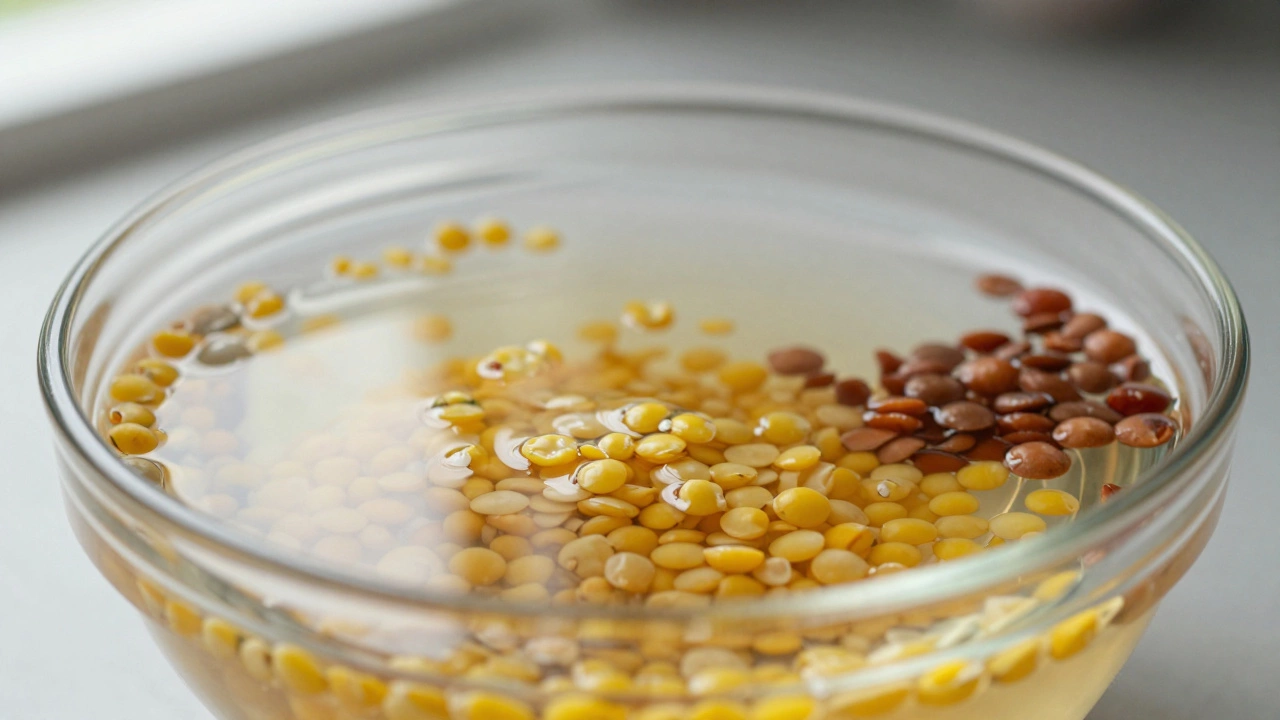
You’ve probably seen it in every grandmother’s kitchen and almost every recipe video online. A bowl of dal is lentils or split pulses that are a staple protein source in Indian cuisine, known for varieties like toor, moong, masoor, and chana sitting in water, waiting. It feels like an extra step you could skip if you’re in a rush. You just want lunch on the table. But here’s the truth: skipping that soak time changes everything about your meal-from how fast it cooks to whether you feel bloated two hours later.
We aren’t talking about a ritual without reason. We are talking about food science happening in a glass bowl. When you soak dal, you aren’t just softening it; you are fundamentally changing its chemical structure to make it easier to digest and faster to cook. If you’ve ever wondered why some dals turn into mush while others stay hard no matter how long you boil them, the answer usually lies in what happened before the pot even hit the stove.
The Science Behind the Soak: What Actually Happens?
Let’s look at what is going on inside those seeds. Lentils are dried legumes. They have been dehydrated to preserve them. Inside each seed is a dense network of starches and proteins locked away by a tough outer layer. When you submerge them in water, osmosis takes over. Water molecules move into the cells of the dal, causing them to swell and soften. This process is called rehydration.
But it goes deeper than just getting wet. Soaking triggers the activation of enzymes within the seed. These enzymes start breaking down complex carbohydrates into simpler sugars. This is crucial because our bodies struggle to break down certain complex carbs found in legumes, specifically oligosaccharides like raffinose and stachyose. Since we lack the enzyme alpha-galactosidase to digest these fully, bacteria in our gut ferment them instead. The result? Gas, bloating, and discomfort. By soaking the dal, you pre-digest some of these compounds, making the final meal much gentler on your stomach.
Think of it this way: if you eat unsoaked dal, your digestive system has to do all the heavy lifting. If you soak it first, you are doing half the work for your body. This is why people with sensitive guts often find that soaked dal sits better than instant, unsoaked versions.
Does Soaking Really Reduce Cooking Time?
If you are short on time, you might think skipping the soak saves minutes. In reality, it often wastes them. Hard, dry dal takes significantly longer to break down under heat. The heat has to penetrate the dry core to gelatinize the starch. With soaked dal, the water is already inside. The heat only needs to finish the job.
Here is a practical comparison based on common household experiences:
| Dal Type | Unsoaked (Stovetop) | Soaked (1-4 Hours) | Pressure Cooker (Soaked) |
|---|---|---|---|
| Toor Dal | 35-40 mins | 15-20 mins | 3-4 whistles |
| Masoor Dal | 20-25 mins | 10-12 mins | 2-3 whistles |
| Chana Dal | 40-50 mins | 20-25 mins | 5-6 whistles |
| Whole Moong | 45-60 mins | 20-25 mins | 4-5 whistles |
As you can see, soaking cuts the active cooking time roughly in half. For whole pulses like chole or rajma, the difference is even more dramatic. You save fuel, you save electricity, and you get dinner on the table faster. Plus, soaked dal tends to have a more uniform texture. You won’t end up with a pot full of liquid and a handful of rock-hard kernels at the bottom.
Nutrient Absorption: The Phytic Acid Factor
This is the part most home cooks miss. Legumes contain phytic acid, also known as phytate. Phytic acid binds to minerals like iron, zinc, calcium, and magnesium in your digestive tract, preventing your body from absorbing them. It acts like an anti-nutrient. While phytic acid has some antioxidant properties, high levels can lead to mineral deficiencies over time, especially if your diet relies heavily on plant-based proteins.
Soaking activates an enzyme called phytase. Phytase breaks down phytic acid into inositol and phosphate. This releases the trapped minerals, making them bioavailable to your body. Studies suggest that soaking legumes for 8-12 hours can reduce phytic acid content by up to 50%. Even a shorter soak of 1-2 hours makes a noticeable difference. If you are eating dal for its protein and mineral content, soaking ensures you actually get those nutrients rather than passing them right through.
This is particularly important for vegetarians and vegans who rely on plant sources for iron and zinc. Pairing your soaked dal with a source of Vitamin C, like lemon juice or tomatoes, further boosts iron absorption. It’s a simple synergy that maximizes the health benefits of your meal.
Texture and Taste: Why Grandmother’s Dal Tastes Better
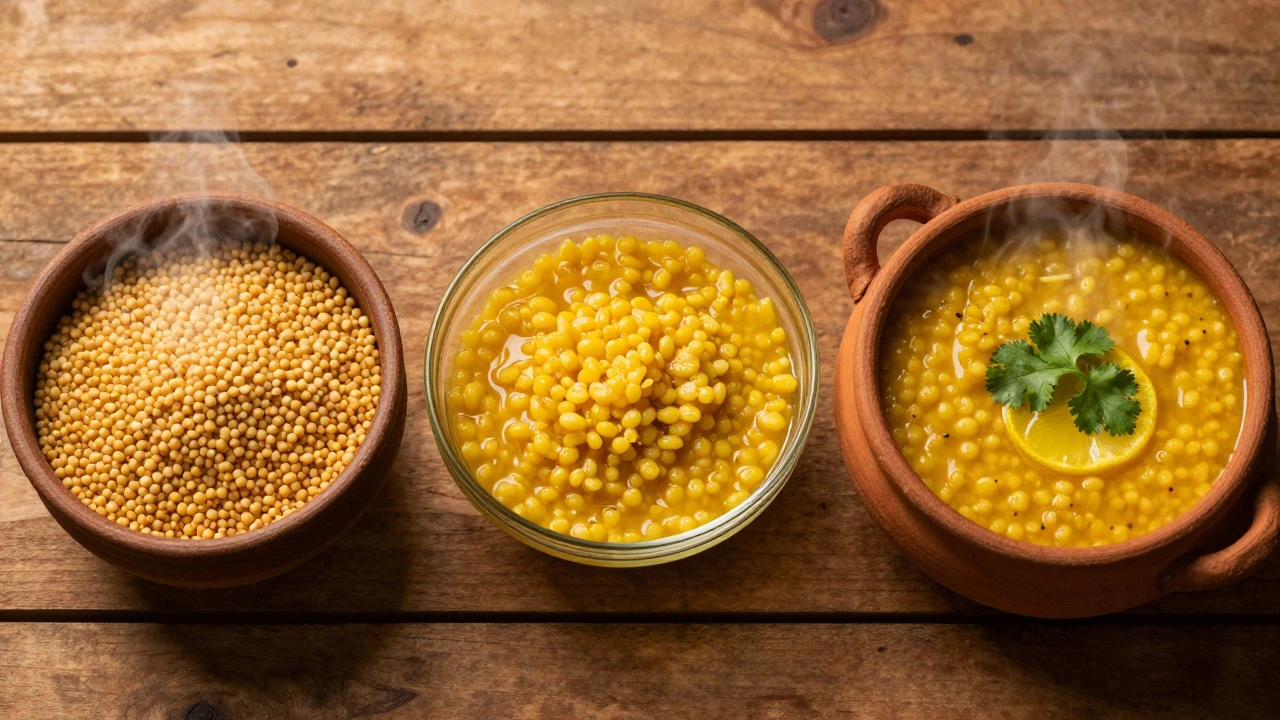
Beyond health and speed, there is the matter of flavor and mouthfeel. Unsoaked dal often cooks unevenly. The outside turns to mush while the inside remains chalky. Soaked dal cooks evenly, resulting in a creamy, consistent texture that blends beautifully with spices. The flavors penetrate the seed more effectively when it is hydrated. Turmeric, cumin, and asafoetida (hing) infuse deeper into the grain, creating a richer taste profile.
Also, consider the color. Toor dal, when soaked properly, retains a brighter yellow hue. Masoor dal stays vibrant pink-red. Unsoaked dal can sometimes turn dull or grayish due to prolonged boiling and oxidation. Visual appeal matters-it makes the food look fresher and more appetizing.
How Long Should You Soak Different Dals?
Not all dals are created equal. Some need a quick dip; others demand patience. Here is a guide to help you plan your prep time:
- Yellow Moong Dal (Split): Minimal soaking needed. 15-30 minutes is enough. It cooks very quickly anyway.
- Masoor Dal (Red Lentils): Optional. Can be cooked directly, but 15 minutes helps achieve a smoother consistency.
- Toor Dal (Pigeon Peas): 1-2 hours recommended. This is the most common daily dal, and soaking improves digestibility significantly.
- Chana Dal (Bengal Gram): 2-4 hours. Being harder, it benefits greatly from extended soaking to ensure tenderness.
- Whole Moong or Green Moong: 4-8 hours. Whole skins are tough. Overnight soaking is best for these.
- Urad Dal (Black Gram): 4-6 hours. Essential for dishes like dal makhani or idli batter where fermentation plays a role.
If you forget to soak overnight, don’t panic. There are tricks to speed up the process, which we’ll cover next.
Emergency Tricks: What If You Forgot to Soak?
Life happens. You remember dinner at 6 PM and realize you didn’t soak the chana dal at 4 PM. Do you order takeout? No. You use these hacks:
- The Hot Water Method: Pour boiling water over the dal and let it sit for 30-45 minutes. Heat accelerates hydration. Drain and rinse before cooking.
- The Pressure Cooker Pre-Soak: Put the dal in the pressure cooker with double the usual amount of water. Close the lid but do not put on the weight. Let it sit for 30 minutes. Then proceed to cook normally. The residual heat and steam soften the dal.
- Baking Soda Trick: Add a tiny pinch (just a tip of a spoon) of baking soda to the cooking water. This raises the pH level, which breaks down the pectin in the dal walls, softening them faster. Warning: Use sparingly. Too much will make the dal smell soapy and destroy B vitamins.
These methods work in a pinch, but they don’t replicate the enzymatic benefits of a long, cold soak. Use them only when necessary.
Common Mistakes to Avoid When Soaking Dal
Even with good intentions, small errors can ruin the batch. Here is what to watch out for:
- Using Salted Water: Never add salt to the soaking water. Salt draws moisture out of the dal via osmosis, keeping the skin tough and delaying softening. Add salt only during the cooking phase.
- Over-Soaking in Warm Weather: In Sydney’s summer or any hot climate, leaving dal out for more than 4-6 hours can cause fermentation or spoilage. If it smells sour, discard it. In warm weather, soak in the fridge or use less time.
- Not Discarding the Water: Always drain and rinse the soaking water. This water contains the dissolved oligosaccharides (gas-causing compounds) and phytic acid. Reusing it defeats the purpose of soaking. Rinse the dal under fresh water until clear.
- Using Metal Bowls for Long Soaks: While short soaks are fine, acidic reactions can occur over long periods with reactive metals like aluminum or copper. Stick to glass, stainless steel, or ceramic bowls.
Does Soaking Apply to Other Pulses?
Absolutely. The principles apply to all legumes. Chickpeas (kabuli chana), kidney beans (rajma), black beans, and soybeans all benefit from soaking. In fact, for larger beans, soaking is non-negotiable for safety and digestibility. Kidney beans, for example, contain lectins that can cause nausea if not properly hydrated and boiled. Soaking reduces the lectin load and ensures even cooking. Whether you are making a hearty rajma curry or a side dish of sprouted moong, the soak is your first step toward success.
Final Thoughts on Your Daily Dal Routine
Soaking dal isn’t just an old wives’ tale. It is a practical, scientific step that improves nutrition, saves time, and enhances taste. It transforms a hard, difficult-to-digest seed into a creamy, nutrient-rich comfort food. The next time you reach for the bag of lentils, grab a bowl and some water. Set a timer. Go do something else. When you come back, you’ll have a head start on a healthier, happier meal.
Can I soak dal overnight?
Yes, you can soak dal overnight, especially in cooler climates. However, in warm temperatures above 25°C (77°F), soaking for more than 6-8 hours at room temperature may cause fermentation. If you live in a hot area like Sydney in summer, soak overnight in the refrigerator or limit the soak to 4-6 hours at room temperature.
Should I wash dal before or after soaking?
You should wash dal thoroughly before soaking to remove dust, debris, and any foreign particles. After soaking, you must drain the soaking water and rinse the dal again to remove the released anti-nutrients and gas-causing compounds. Using the soaking water for cooking is not recommended.
Does soaking dal remove nutrients?
Soaking causes a minor loss of water-soluble vitamins like Vitamin B1 (Thiamine) and Vitamin C, typically around 5-10%. However, this is outweighed by the increased bioavailability of minerals like iron, zinc, and calcium due to the reduction of phytic acid. Overall, soaked dal is more nutritious and easier to absorb than unsoaked dal.
Why does my dal still feel hard after cooking?
Hard dal after cooking is usually due to three reasons: insufficient soaking time, adding salt too early (which toughens the skin), or using very hard water with high mineral content. Ensure you soak adequately, add salt only after the dal is tender, and consider using filtered water if your tap water is extremely hard.
Is it okay to skip soaking for red masoor dal?
Red masoor dal is the exception. Because it is split and skinned, it cooks very quickly (10-15 minutes). Skipping the soak is acceptable if you are in a hurry. However, even a 15-minute soak can improve digestibility and reduce gas, so it is still beneficial if time permits.
