Nutrition in Indian Food: Healthy Eating, Superfoods, and Daily Diet Tips
When you think about nutrition, the science of how food affects your body’s health and function. Also known as dietary science, it’s not just about counting calories—it’s about what fuels your day, fights inflammation, and keeps your blood sugar steady. Indian food often gets a bad rap for being heavy or oily, but that’s not the whole story. The truth? Many staples in Indian kitchens—like dal, paneer, roti, and moringa—are packed with nutrients that support energy, muscle, and long-term health. What you eat matters more than where it’s from, and Indian cuisine has a lot to offer if you know where to look.
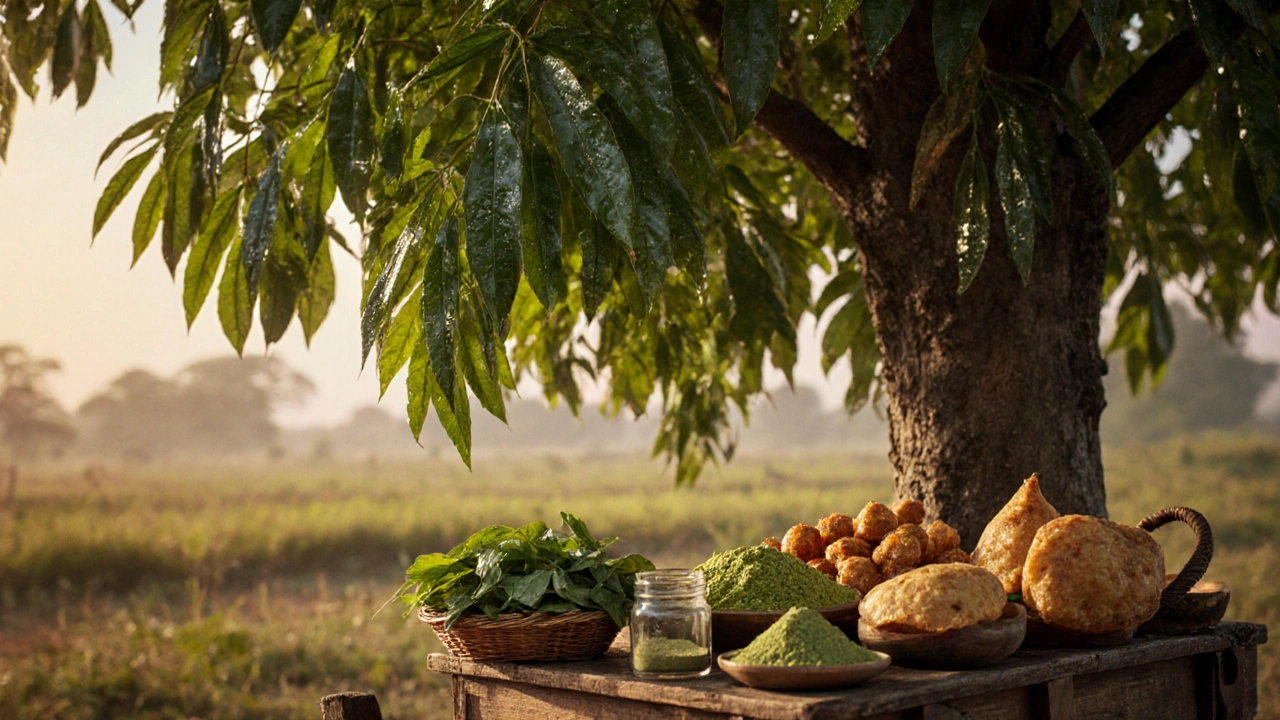
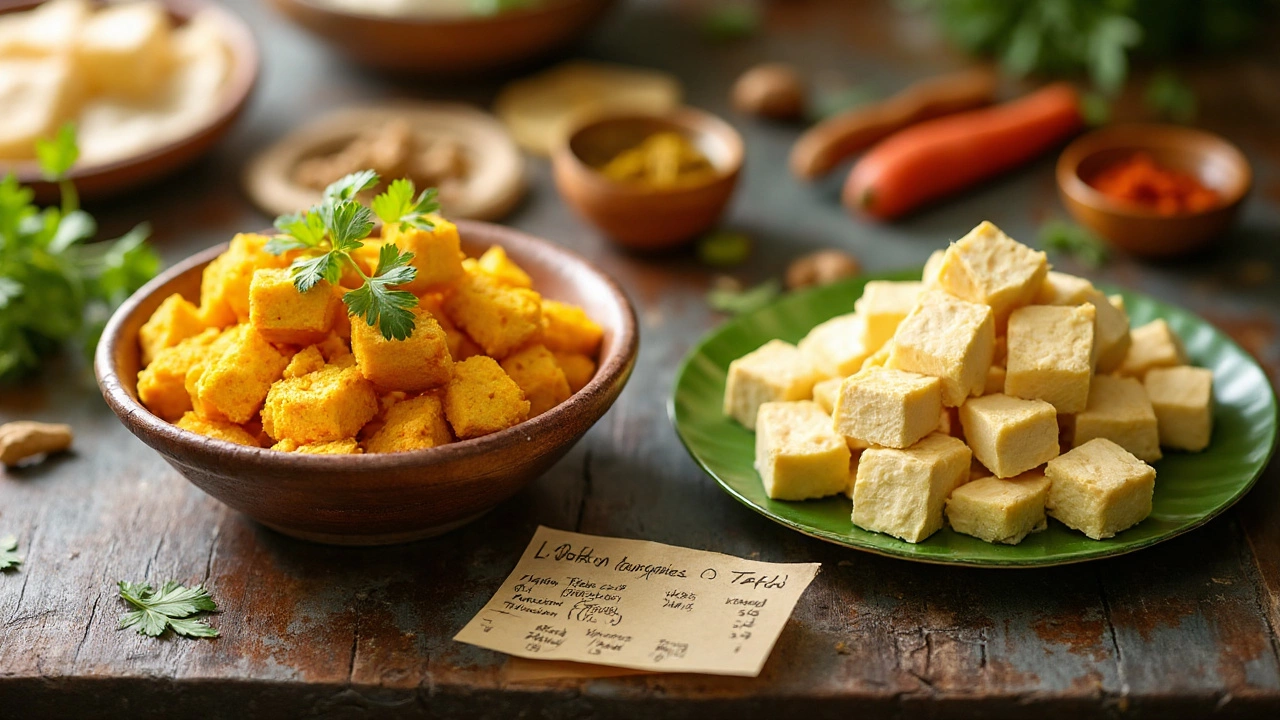
Paneer, a fresh, unaged cheese made from milk and acid, commonly used in Indian cooking. It’s high in protein and calcium, making it a smart swap for meat in vegetarian meals. Compare that to tofu, a soy-based protein made by curdling fresh soy milk. Tofu has fewer calories and is plant-based, but paneer gives you more satiating fat and a richer texture. Both can be part of a healthy diet—just choose based on your goals. Then there’s moringa, a leafy green plant native to India, known for its high vitamin, mineral, and antioxidant content. It’s not just a trend; it’s been used for centuries to boost immunity and fight fatigue. And let’s not forget dal—lentils aren’t just cheap and filling. They’re anti-inflammatory, high in fiber, and help regulate digestion… even if they make you gassy at first.
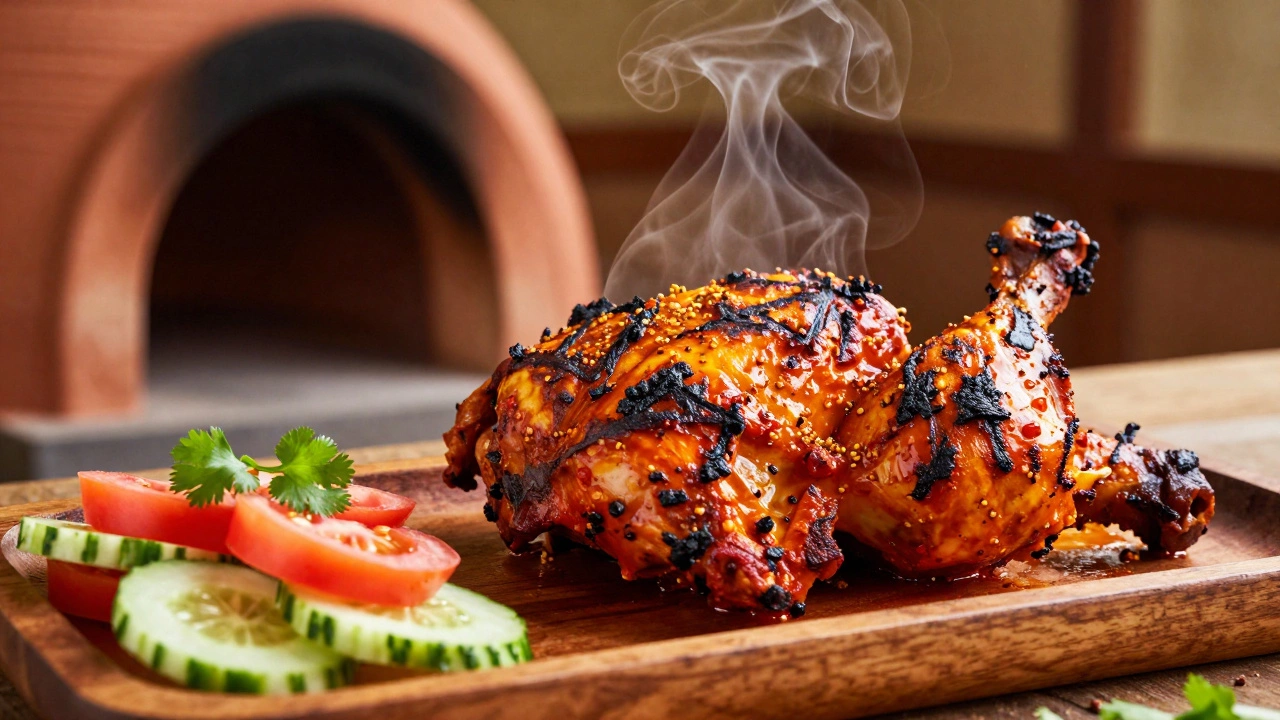
What you eat every day shapes your health more than any one meal. Eating tandoori chicken? Great for protein and low in sugar if you skip the marinade. Craving sweets? There are diabetic-friendly versions of ladoos made with almond flour and dates. Even something as simple as roti vs. naan has real nutrition differences—roti is whole grain and lower in fat, while naan is often buttered and refined. The key isn’t avoiding Indian food—it’s choosing wisely within it. You don’t need to give up your favorite flavors to eat better. You just need to know what’s in them, why it matters, and how to tweak them for your body.
Whether you’re managing diabetes, trying to lose weight, or just want to feel less bloated after lunch, the answers are already in your pantry. The posts below break down exactly what works, what doesn’t, and how to make simple changes that stick. No fads. No gimmicks. Just real food, real science, and real results from Indian kitchens.