Crispy Dosa: How to Get Perfect Crunch Every Time with Indian Ingredients
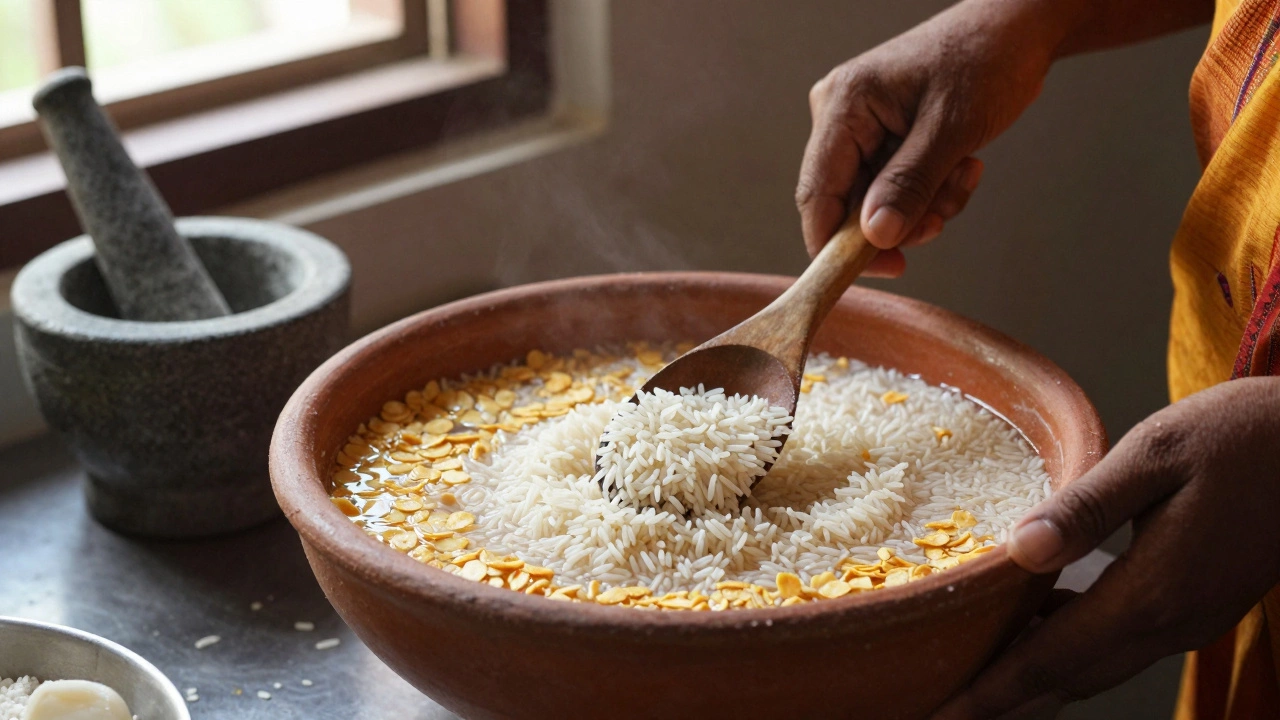
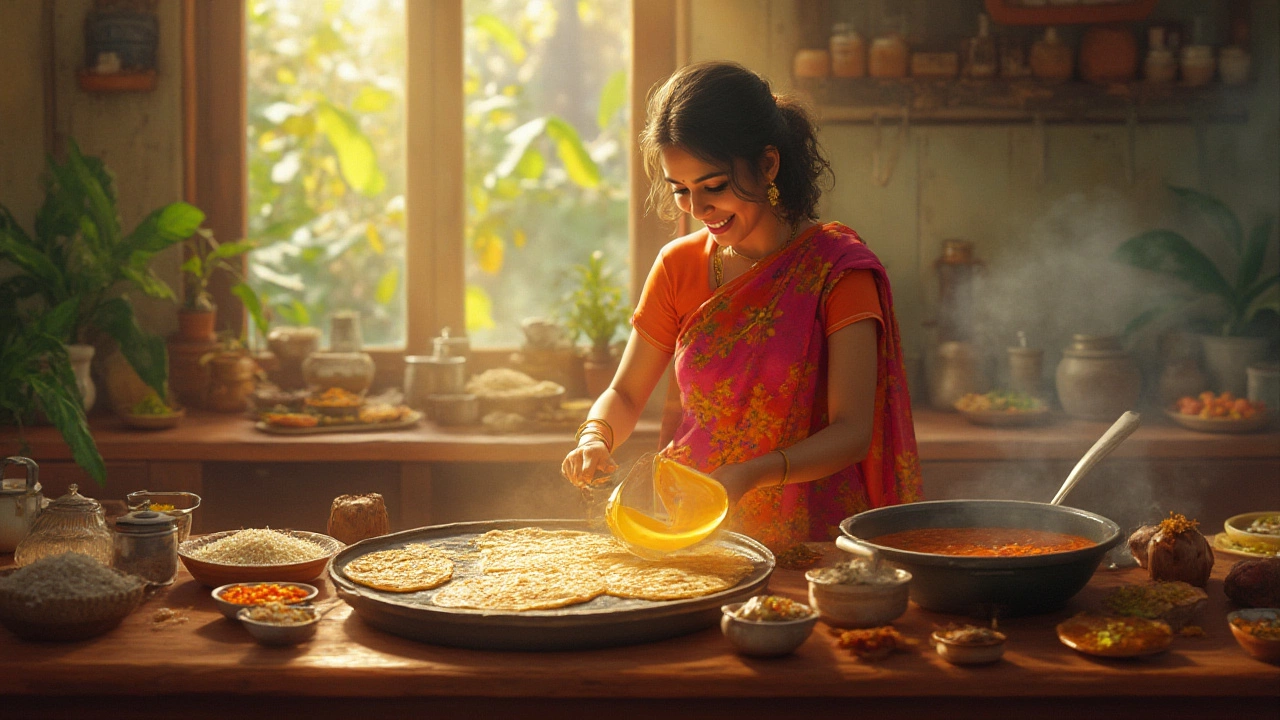
When you think of crispy dosa, a thin, fermented rice and lentil crepe from South India, known for its golden crunch and soft interior. Also known as dosa, it's not just a breakfast staple—it's a test of patience, technique, and understanding of fermentation. Getting it right isn’t about fancy equipment. It’s about balance: rice, urad dal, time, and heat. Too much water? Your dosa turns soggy. Not enough fermentation? It sticks and stays pale. And that pinch of baking soda? It’s not optional—it’s the secret weapon for lift without bitterness.
The urad dal to rice ratio, the foundational measurement that determines texture and crispness in dosa batter. Also known as dosa batter proportion, it’s typically 1:3 or 1:4, but the best results come from weighing, not scooping. Too much dal makes it chewy; too little and it falls apart. Then there’s baking soda in dosa batter, a quick fix for under-fermented batter that adds airiness without altering flavor. Use too much, and you’ll taste metal. Use too little, and the dosa stays flat. Most home cooks add just 1/4 teaspoon per cup of batter—enough to puff it up, not ruin it.
And fermentation? That’s where the magic happens. Left overnight in a warm corner, the batter wakes up. Bubbles form. It smells tangy, not sour. That’s when you know it’s ready. Cold kitchen? Wrap the bowl in a towel. Winter? Place it near a warm oven. Don’t rush it. A 12-hour ferment makes a better dosa than any fancy mixer or instant mix. The crispy dosa you crave isn’t born in a restaurant—it’s born in your kitchen, with time and attention.
You’ll find posts here that cut through the noise. No fluff. Just real answers: how much baking soda to actually use, why your batter won’t ferment, what happens when you skip urad dal, and how to fix a sticky griddle. These aren’t theory pieces—they’re fixes from people who make dosa every morning. Whether you’re trying to replicate your grandma’s version or just want one that doesn’t stick to the pan, the guides below give you exactly what works—no guesswork, no myths, just results.