Dosa Recipe: How to Get Perfect Crispy Dosa Every Time
When you think of a dosa, a thin, crispy fermented rice and lentil crepe from South India, often served with chutney and sambar. Also known as dosai, it’s one of the most popular breakfast foods across India—and for good reason. But making one that’s golden, crisp on the outside, and soft inside? That’s where most people struggle. It’s not just about mixing rice and urad dal. It’s about balance, timing, and a few little-known tricks most recipes leave out.
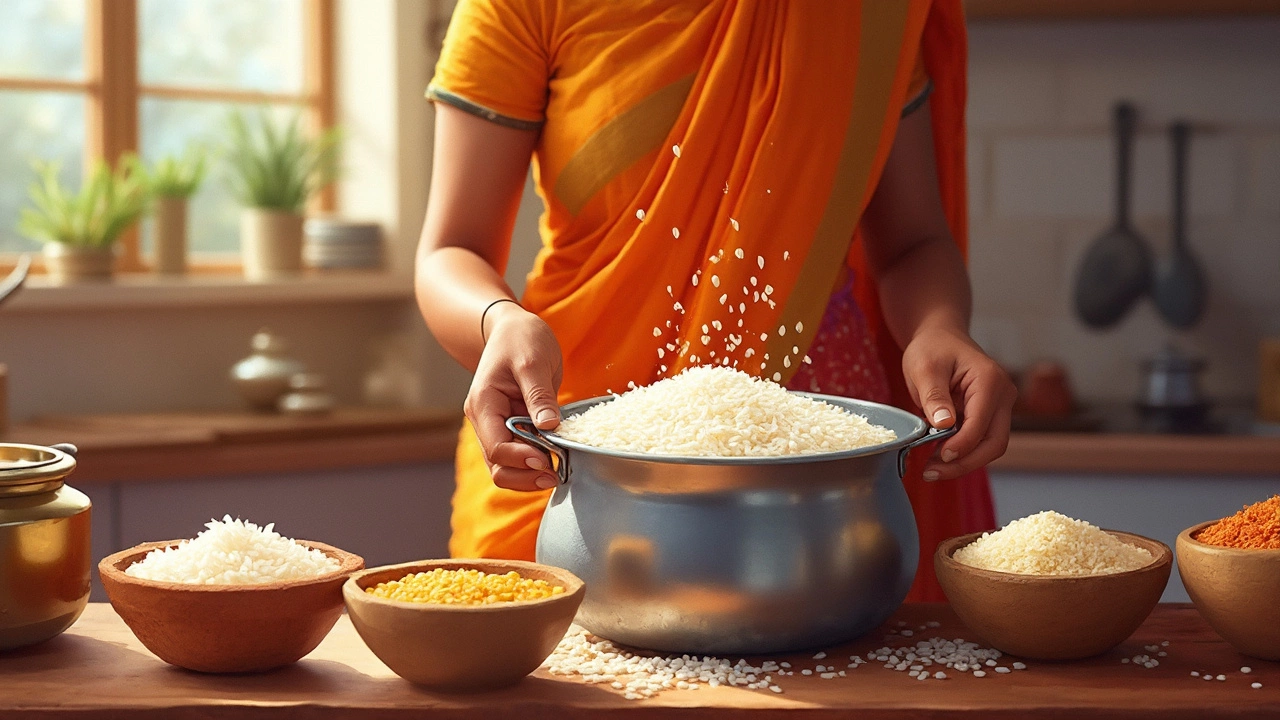
The secret starts with the urad dal to rice ratio, the foundational measurement that determines texture and fermentation success. Too much rice? Your dosa turns brittle. Too much dal? It sticks to the pan. The sweet spot is 1:3—one part urad dal to three parts rice. That’s it. No more, no less. Then comes fermentation. Left in a warm spot overnight, the batter puffs up, gets bubbly, and develops that tangy depth. But here’s the thing: cold kitchens kill fermentation. If your house is chilly, place the bowl near a warm appliance or wrap it in a towel. Don’t use the fridge. Ever.
Then there’s the baking soda in dosa batter, a shortcut many use to boost fluffiness, but often overdo. A pinch—less than 1/4 teaspoon—is enough. More than that, and you’ll taste bitterness, not crispness. It’s not a leavening agent like yeast. It’s a gentle helper for texture. And never add it before fermentation. Mix it in right before cooking, after you’ve stirred the batter well. That’s how you get lift without the aftertaste.
And let’s talk about the batter’s consistency. It shouldn’t be thick like pancake batter. It shouldn’t be watery like soup. Think of it as thick cream—flows slowly off the spoon, leaves a trail. If it’s too thick, add water, a tablespoon at a time. Too thin? Let it rest longer. The batter thickens as it ferments.
What makes a dosa truly great isn’t just the batter. It’s the pan. Cast iron is ideal. Non-stick works, but you lose that deep caramelization. Heat it until a drop of water sizzles and dances. Then pour the batter in a spiral from the outside in. Spread it thin with the back of a ladle. Drizzle oil around the edges—not on top. Wait for the edges to lift, then flip. One side should be golden brown, the other pale and slightly bubbly. That’s your perfect dosa.
You’ll find posts here that break down every step: why the dosa recipe fails, how to fix sour batter, what happens if you skip fermentation, and how to store leftover batter. You’ll also see why some swear by soaking rice overnight, while others use pre-cooked rice. We’ve tested it all. No myths. Just what works.
Whether you’re making dosa for the first time or you’ve been trying for years, the answers are here. No fluff. No filler. Just the exact steps, ratios, and fixes that actually deliver a crispy, fluffy, delicious dosa—every single time.