Soft Roti: What It Is, How It's Made, and Why It's a Staple in Indian Kitchens
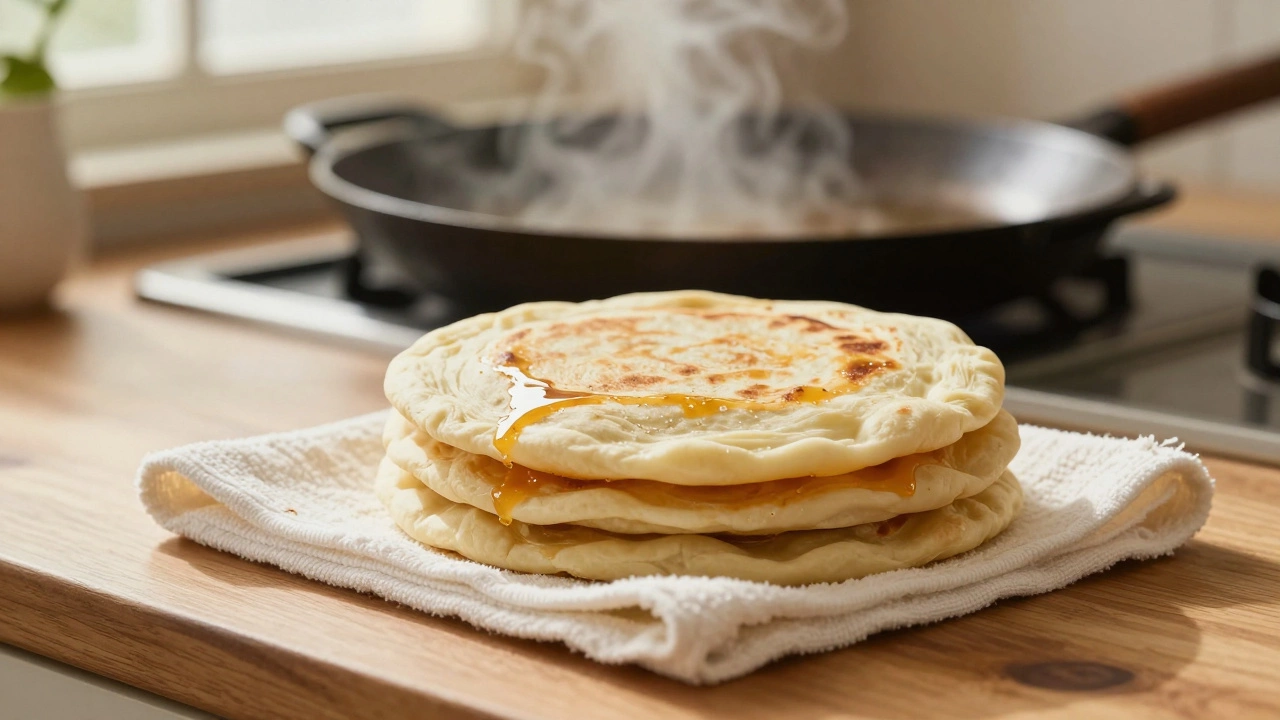
When you think of Indian meals, one thing always shows up—soft roti, a simple, unleavened flatbread made from whole wheat flour, water, and a pinch of salt. Also known as chapati, it’s not just food—it’s the quiet backbone of daily meals across villages and cities alike. Unlike naan, which is baked in a tandoor and often buttered, soft roti is cooked on a flat griddle and stays humble, healthy, and endlessly versatile. It’s the bread you tear by hand to scoop up dal, the one you wrap around spicy sabzi, the one that soaks up gravy without falling apart. And yes, it’s made in nearly every Indian home, every single day.
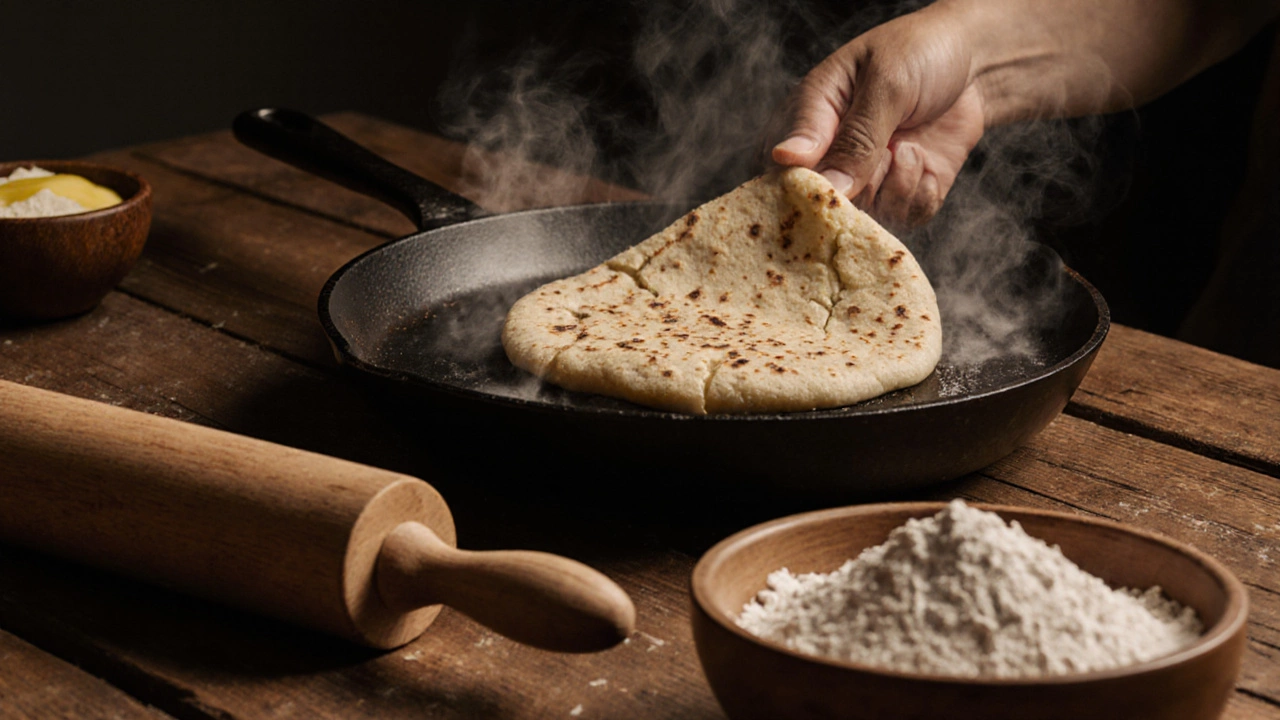
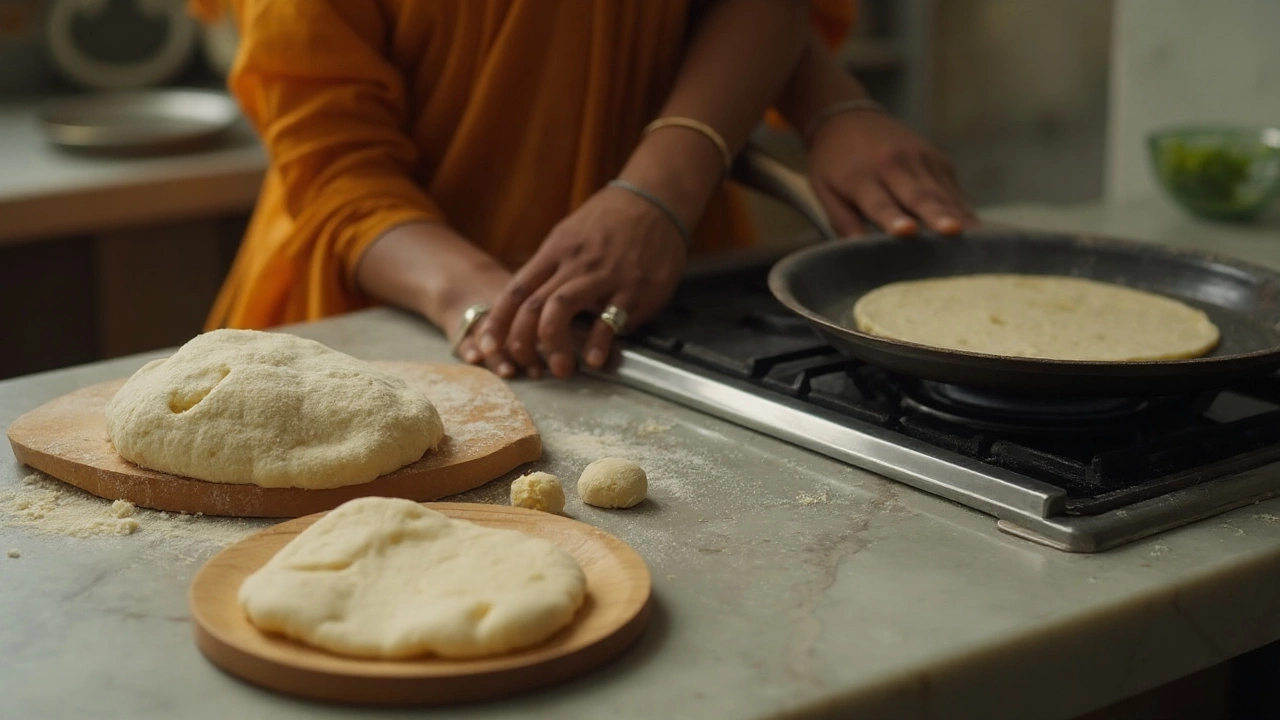
What makes roti soft isn’t magic—it’s technique. The dough needs just the right mix of flour and water, kneaded until it’s smooth and elastic. Letting it rest for at least 20 minutes lets the gluten relax, so when you roll it out, it doesn’t snap back. The magic happens on the tawa: a quick flip, a puff of steam, and that perfect char. Too much heat? It burns. Too little? It turns rubbery. The best rotis are pillowy inside, with just a hint of crispness on the edges. And while some add a drop of oil or ghee to the dough, purists stick to flour and water—because the real flavor comes from the heat, not the fat.
Soft roti isn’t just about taste. It’s tied to health, culture, and rhythm. Made without yeast or baking powder, it’s naturally gluten-rich and easy to digest. It pairs perfectly with high-protein dals and lentils, making it a complete meal when served with vegetables. In many households, making roti is a morning ritual—often passed down from mother to daughter, or father to child. It’s not a recipe you find in a book; it’s something you learn by watching, by feeling the dough, by knowing when it’s ready.
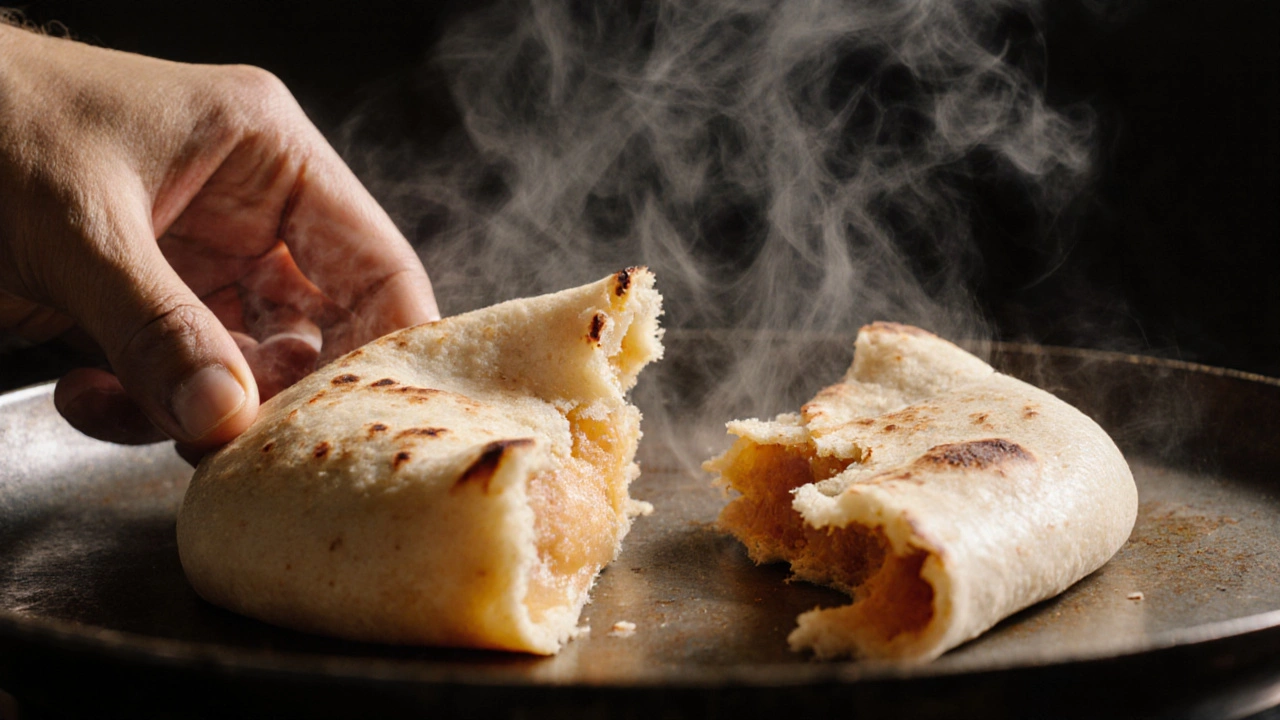
Related to soft roti are other Indian breads like paratha (layered and fried), bhatura (deep-fried and fluffy), and phulka (the same as roti but puffed over an open flame). But none of them match the quiet reliability of soft roti. It doesn’t need fancy ingredients. It doesn’t need a special oven. You can make it on a campfire, a gas stove, or an electric plate. And if you’ve ever eaten it warm, fresh off the tawa, with a dollop of ghee melting into its folds—you know why it’s loved.
Below, you’ll find real stories, tested tips, and kitchen hacks from people who make roti every day. Whether you’re trying to get that perfect puff, troubleshooting dry dough, or wondering why your roti turns hard after cooling, the posts here have been written by home cooks who’ve been there. No fluff. No theory. Just what works.