Cooking Tips for Perfect Indian Flatbreads and Curries
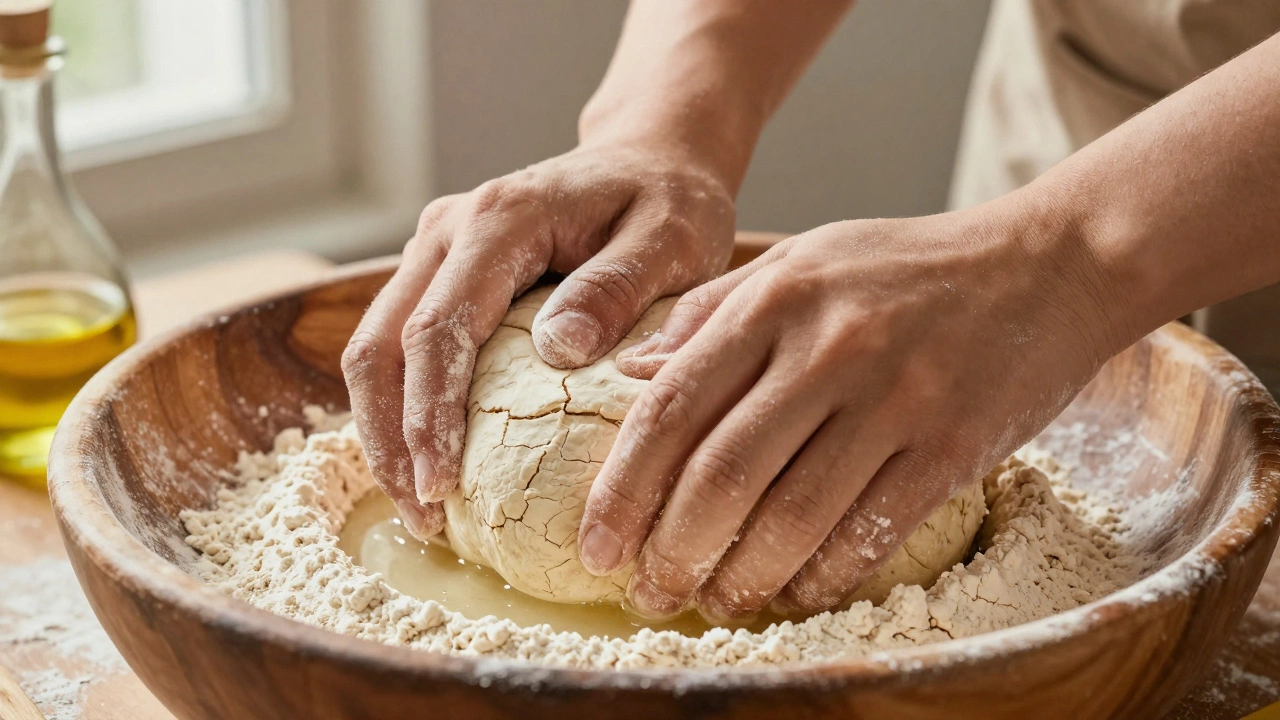
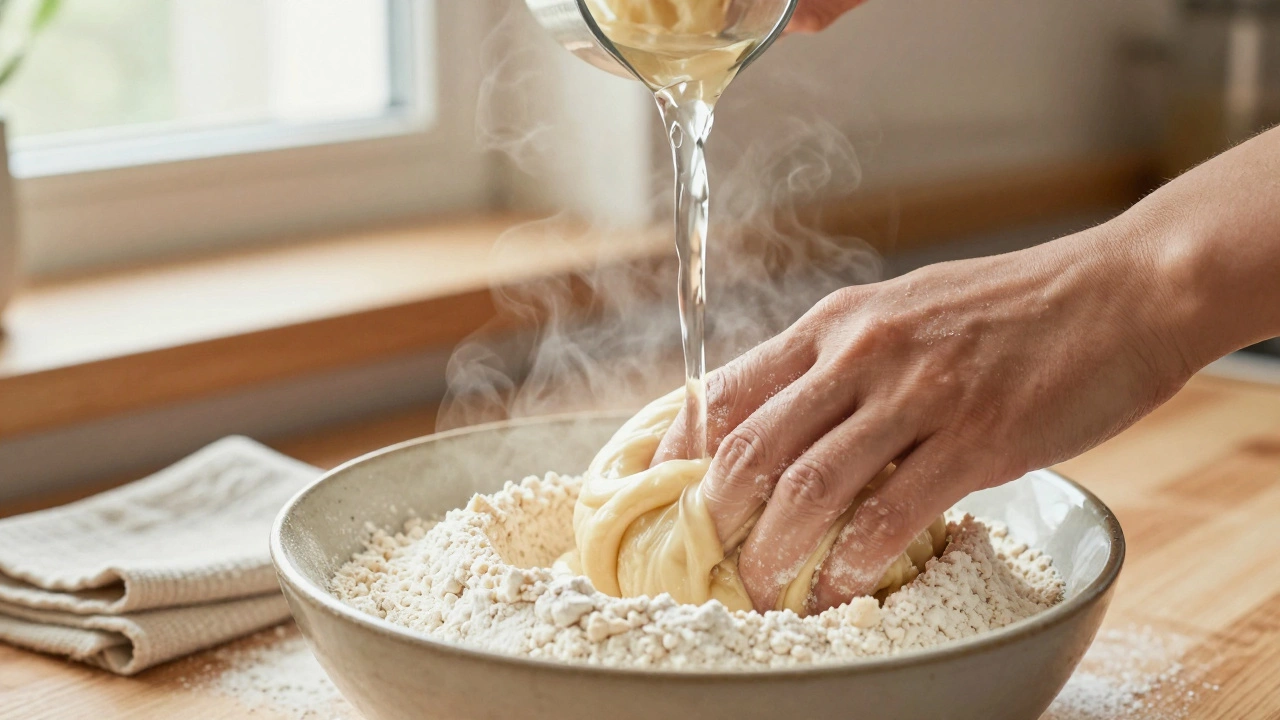
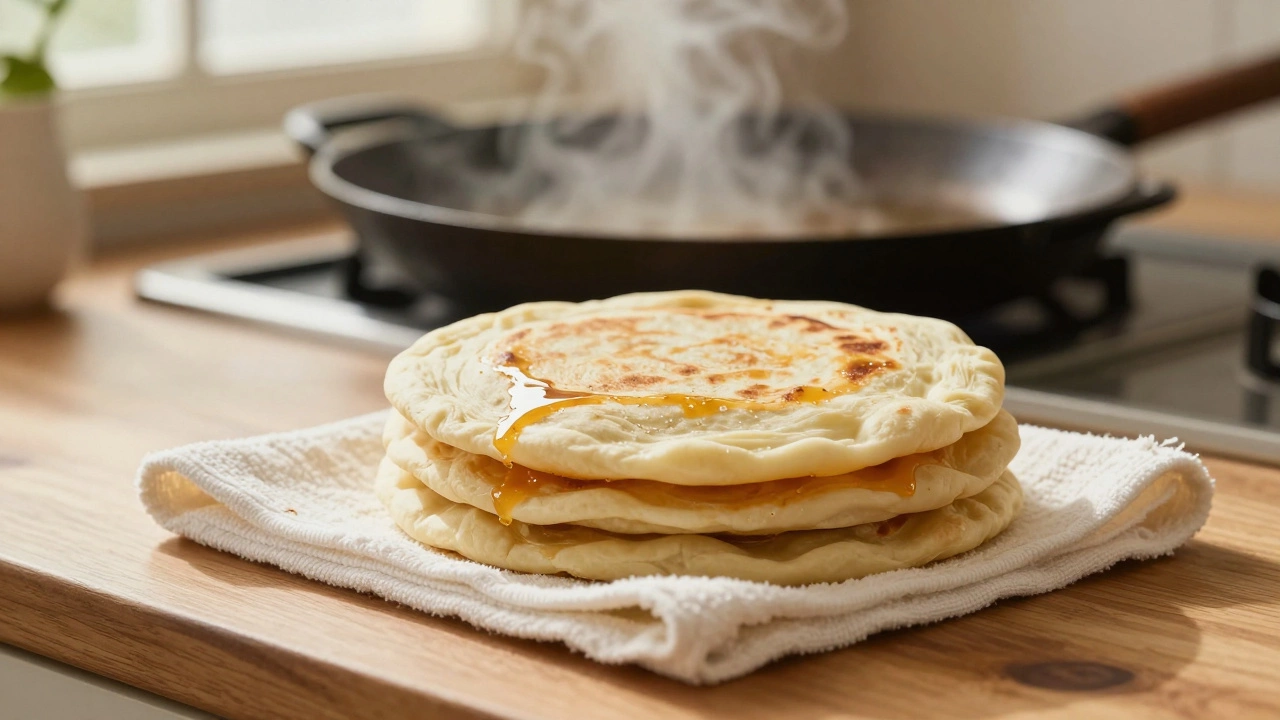
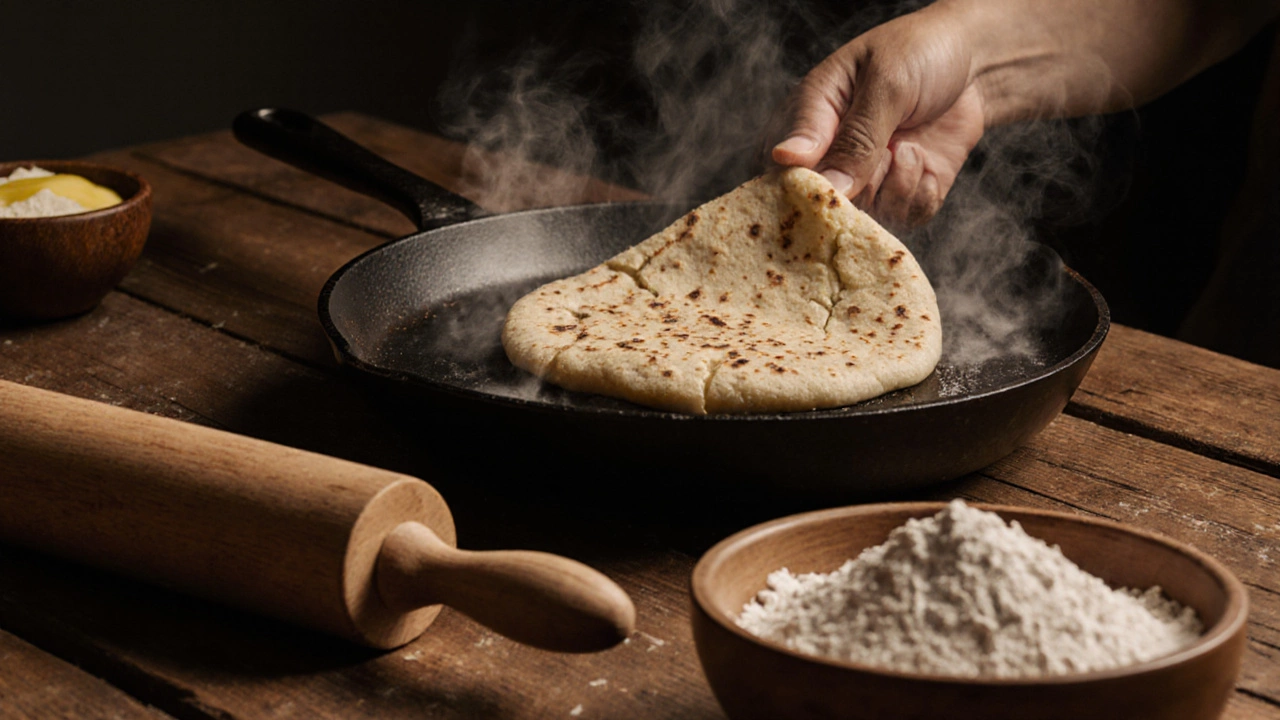
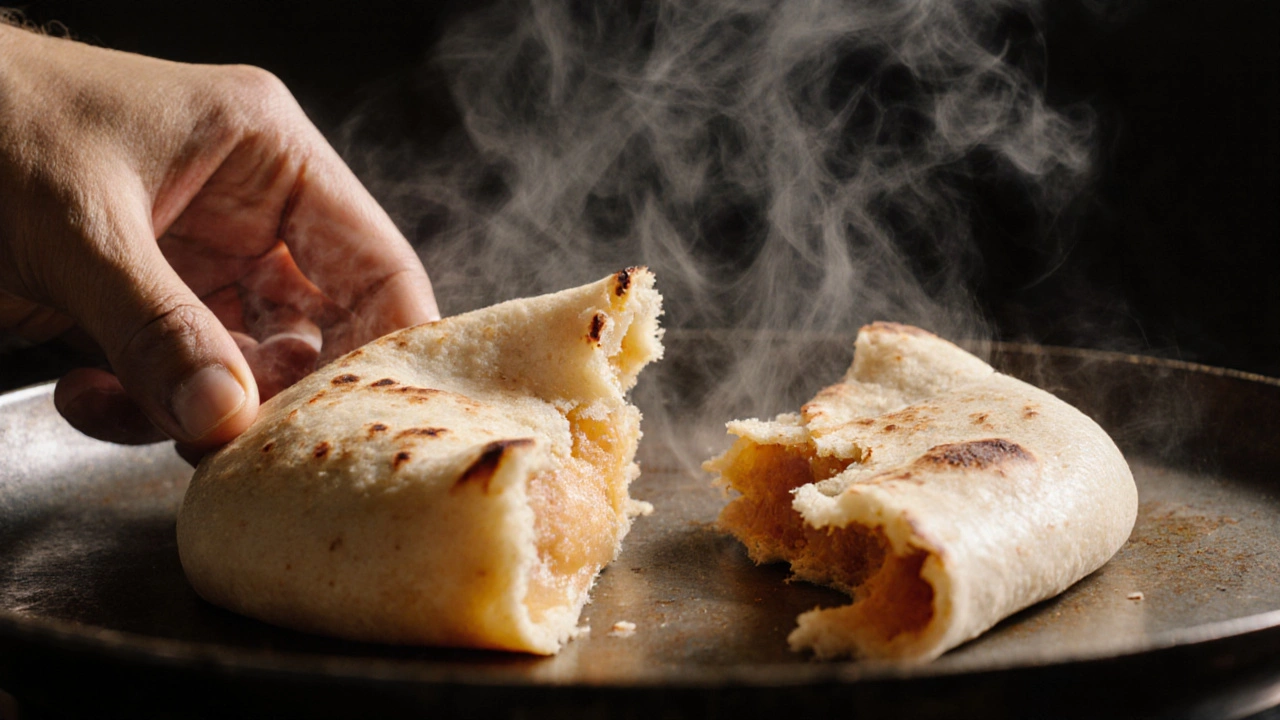
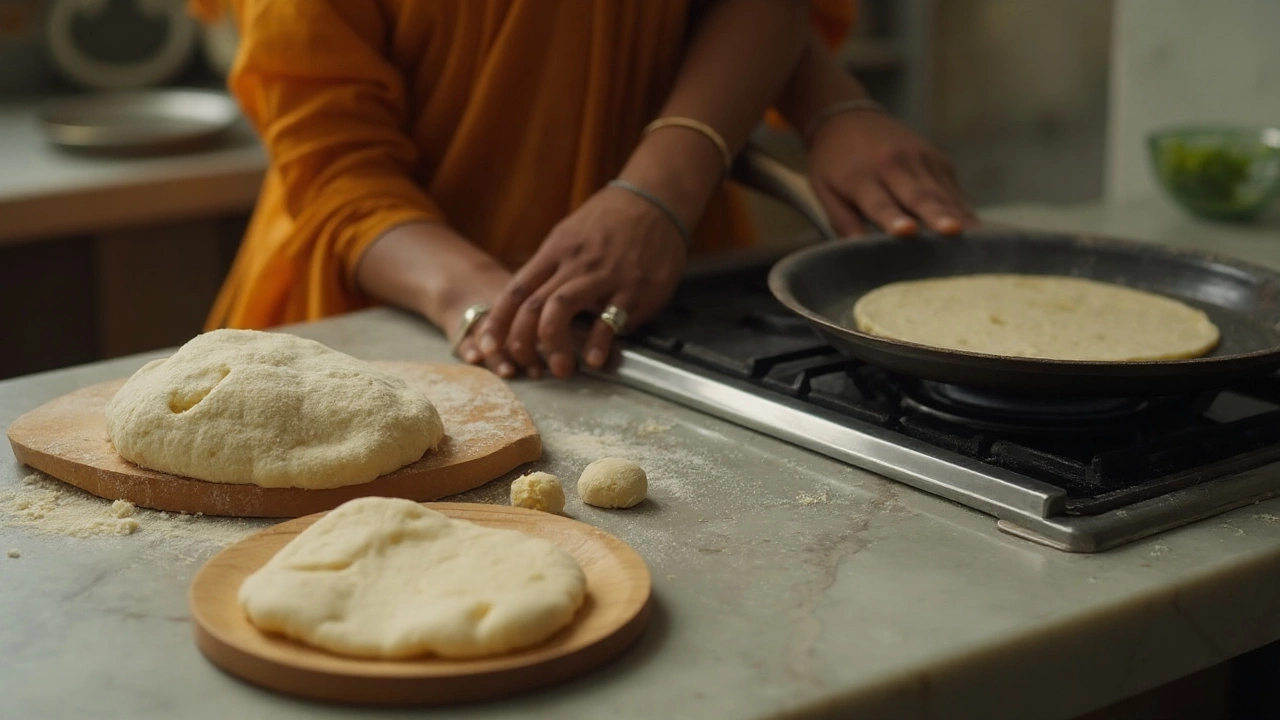
When you’re trying to make a soft roti, a traditional Indian flatbread that’s fluffy, pliable, and stays fresh longer. Also known as chapati, it’s the backbone of countless meals across India. But if your roti turns hard, crumbly, or uneven, you’re not doing anything wrong—you just haven’t learned the hidden details most recipes leave out. The difference between a roti that melts in your mouth and one that feels like cardboard comes down to three things: dough hydration, resting time, and rolling pressure. It’s not magic. It’s science—and we’ll show you exactly how to get it right every time.
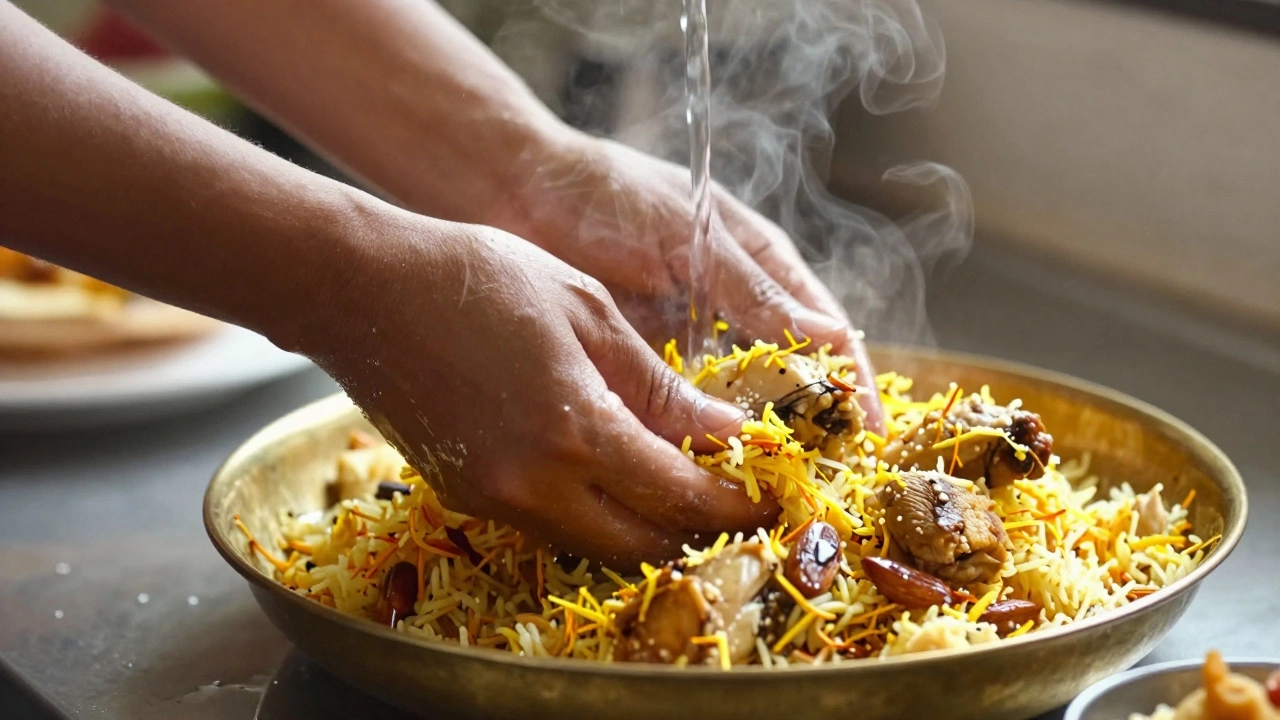
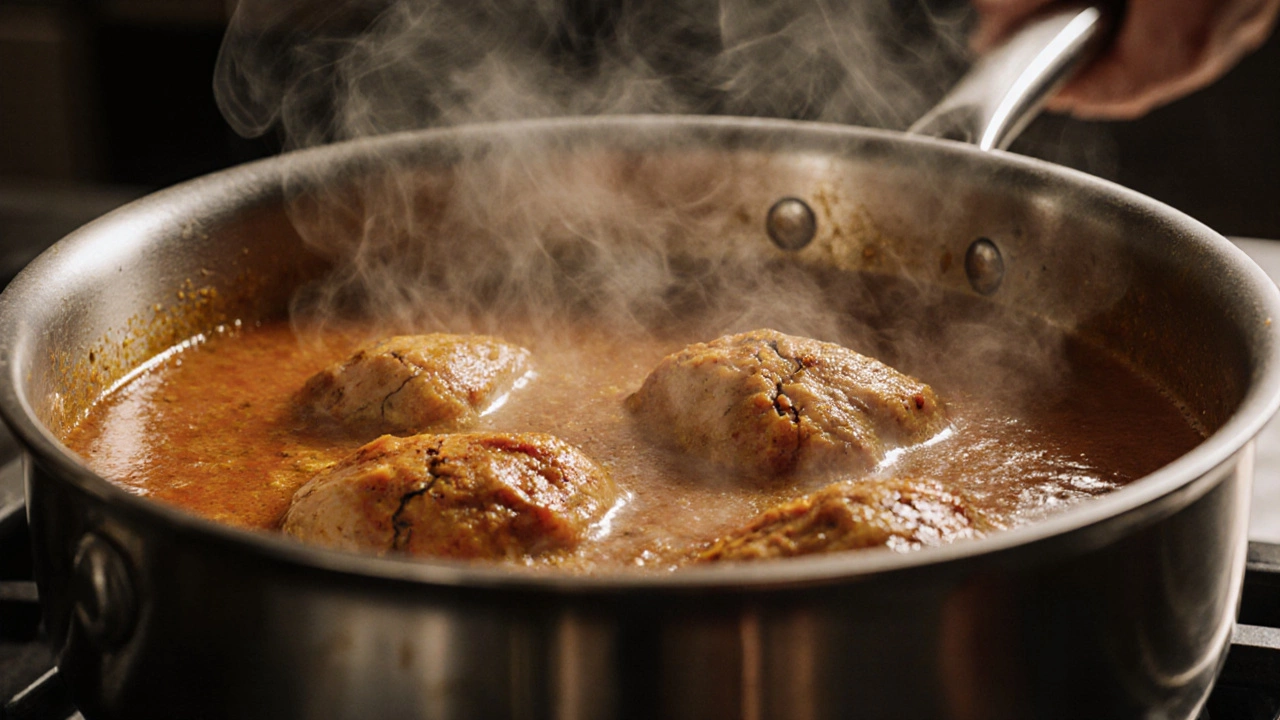
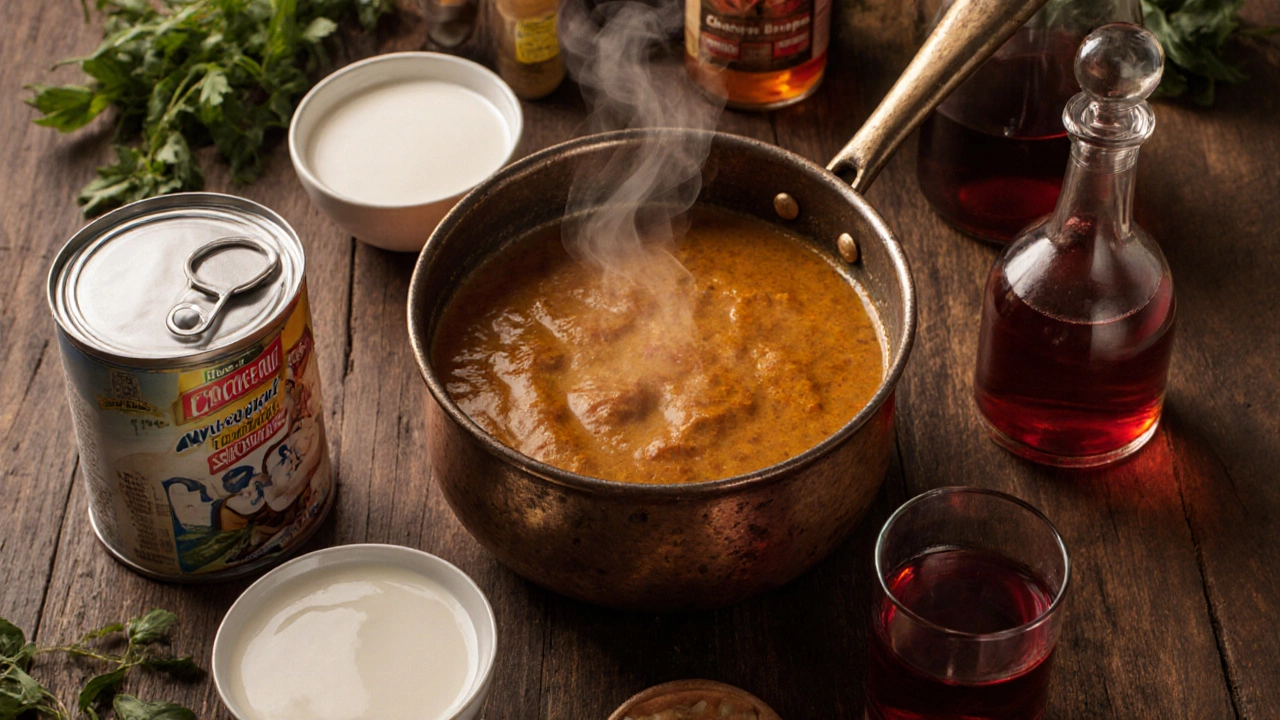
Then there’s the chicken curry, a staple dish where texture makes or breaks the experience. Often, the chicken ends up dry or rubbery because people cook it too long, use the wrong cut, or skip marinating. The fix isn’t more spices—it’s better technique. You need to know how marinating with yogurt or lemon changes the protein structure, why pressure cooking beats slow simmering for tenderness, and which liquids—like coconut milk or tomato puree—actually deepen flavor instead of watering it down. And let’s not forget lentils, a daily staple that many rinse without understanding why. Skipping this step doesn’t just leave grit in your dal—it leaves behind phytic acid that blocks nutrients and makes digestion harder. Rinsing isn’t optional; it’s the first step to a clean, balanced dish.
These problems all connect. A hard roti? Usually from dough that’s too dry or rolled too fast. Tough chicken? Often from skipping the marinade or using boneless breast without adjusting cook time. Even your curry’s thickness depends on how you handle liquids, just like how roti texture depends on how much water you mix in. These aren’t random tips—they’re part of one system: Indian home cooking, built on small, repeatable actions that add up to big results.
You’ll find posts here that answer the questions no one teaches you: Why does roti get hard overnight? Should you use baking soda? Is thick roti better than thin? What liquid actually makes curry creamy without cream? We’ve collected real fixes from kitchens across India—not from fancy chefs, but from moms, uncles, and neighbors who’ve been doing this for decades. No fluff. No theory. Just what works when you’re hungry, short on time, and need your food to taste right.
Whether you’re rolling your first roti or trying to rescue a dried-out batch from yesterday, the answers are here. And you don’t need special tools. Just your hands, a rolling pin, and a little patience. Let’s get your kitchen working the way it should.