Dosa Batter Recipe: Perfect Ratio, Fermentation Tips, and Indian Breakfast Secrets
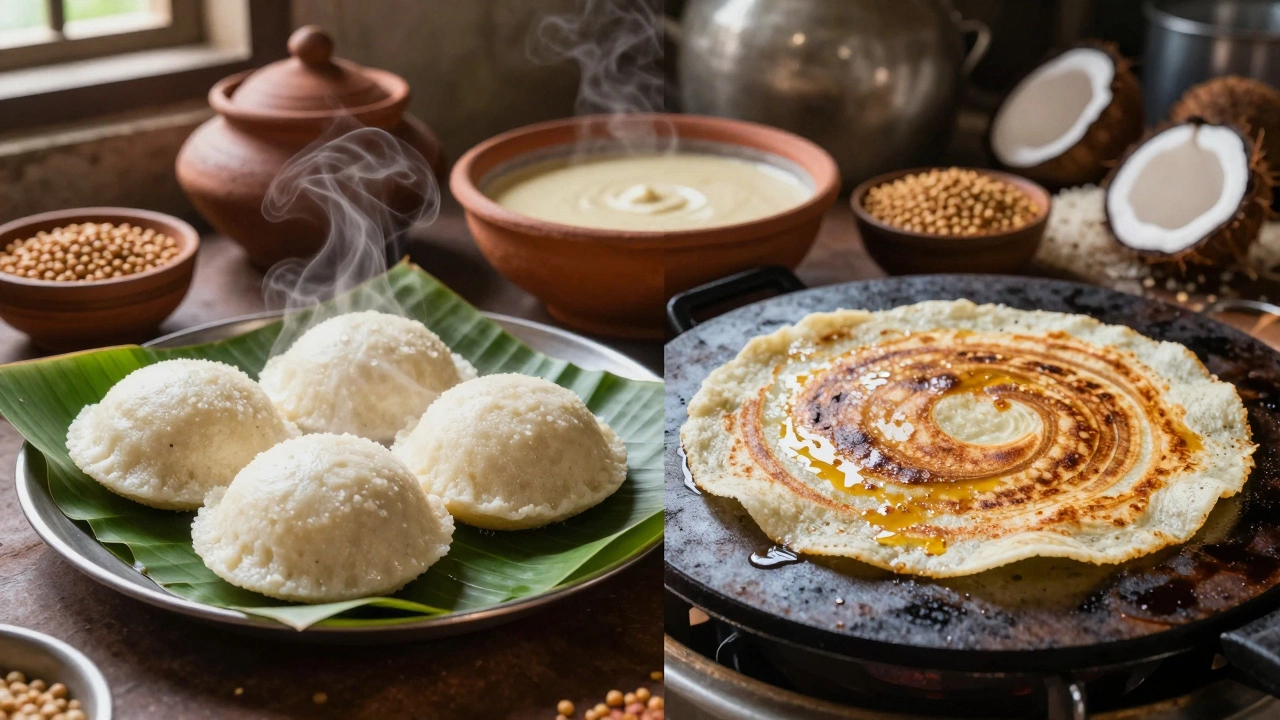
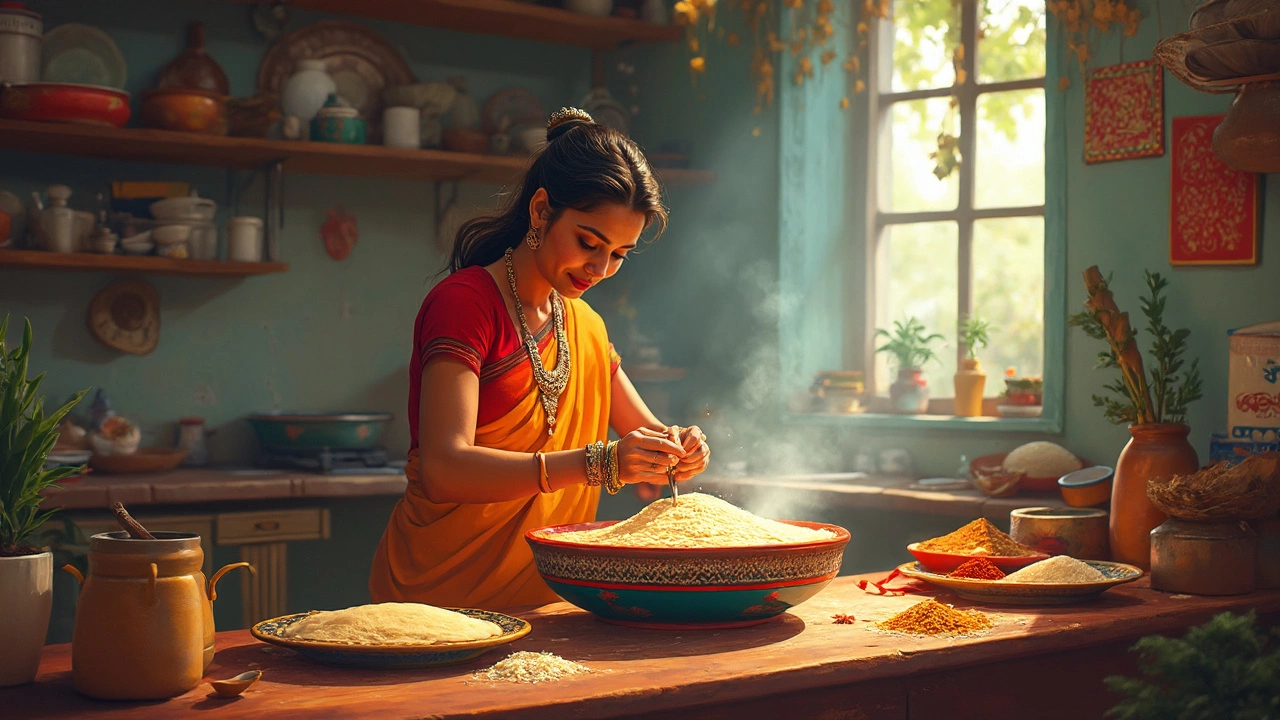
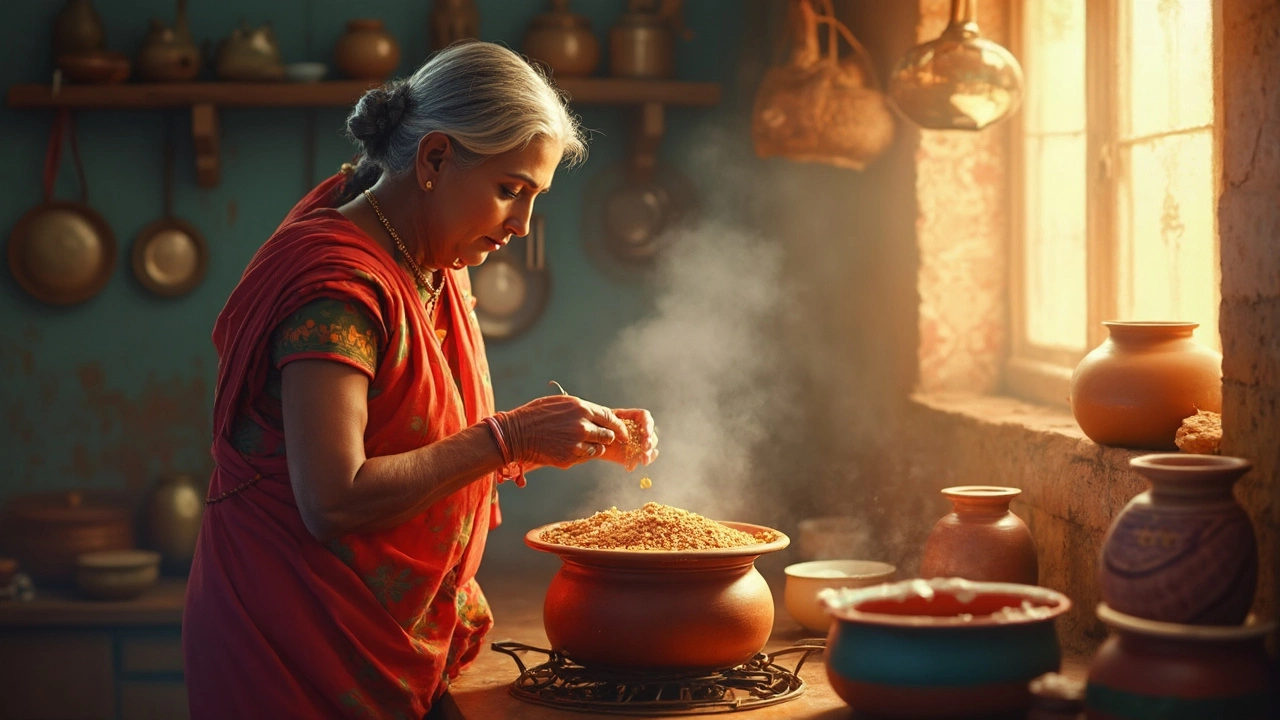
At the heart of every crispy, golden dosa is a simple but finicky mix: dosa batter, a fermented blend of rice and urad dal that transforms into a light, airy crepe when cooked on a hot griddle. Also known as idli batter, it’s the same base used for fluffy idlis, but the grind and fermentation time make all the difference for dosas. This isn’t just a recipe—it’s a ritual. Millions in India start their day with it, and getting it right means understanding the science behind the soak, the grind, and the wait.
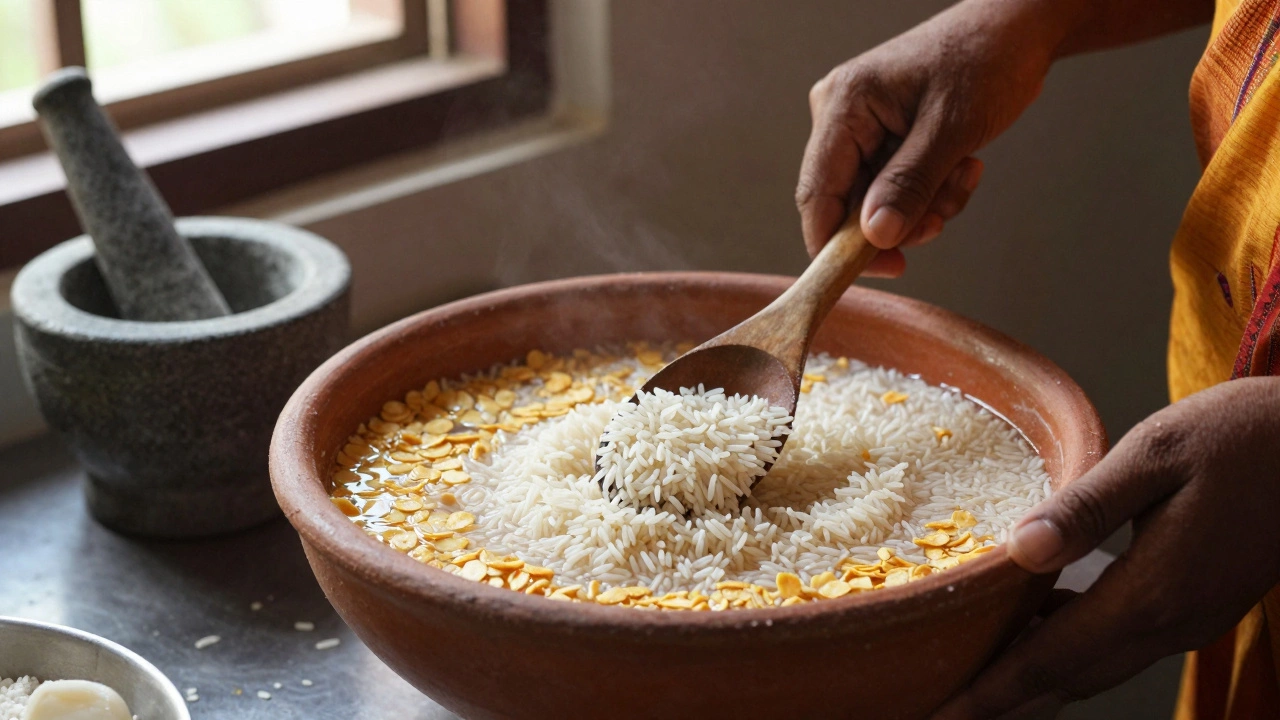
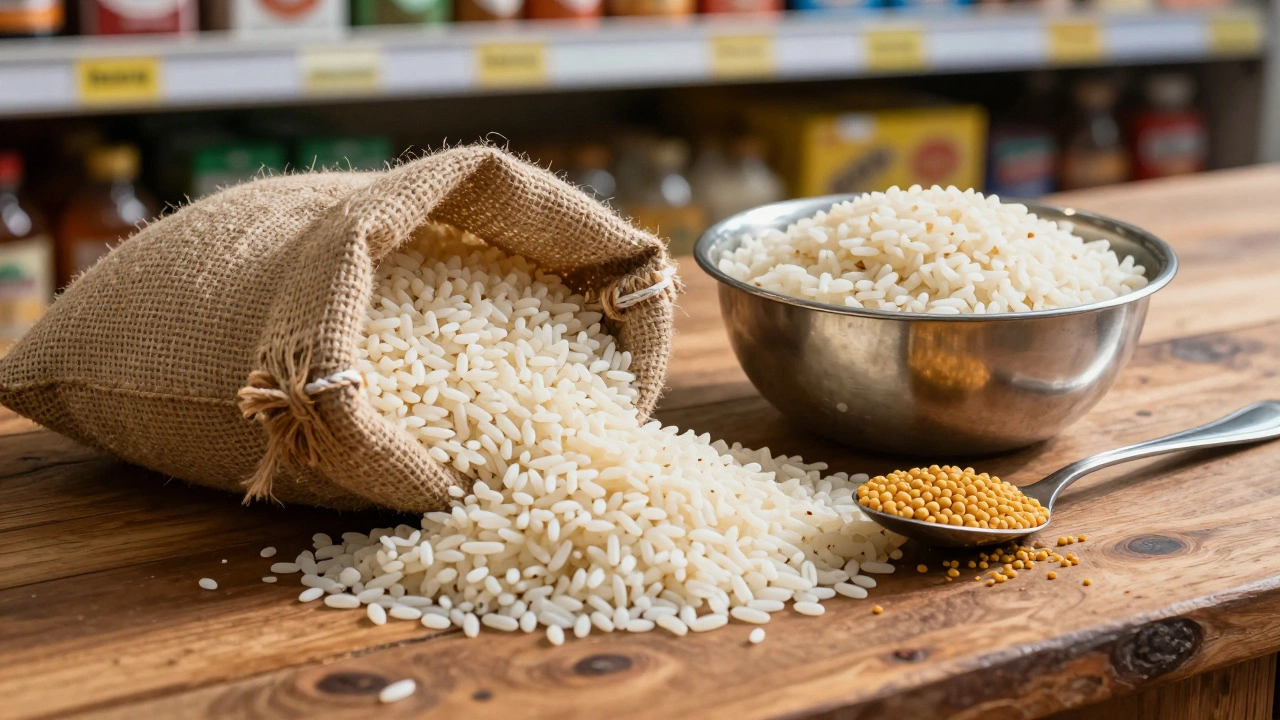
Most people fail because they use the wrong urad dal to rice ratio, the key balance that determines texture, crispness, and rise. The magic number? 1:3—one part whole urad dal to three parts parboiled rice. Too much dal and your dosa turns rubbery. Too little, and it cracks like a biscuit. Add a pinch of fenugreek seeds to the dal before soaking—they’re not optional. They boost fermentation and give that subtle bitter note that makes dosa taste like home.
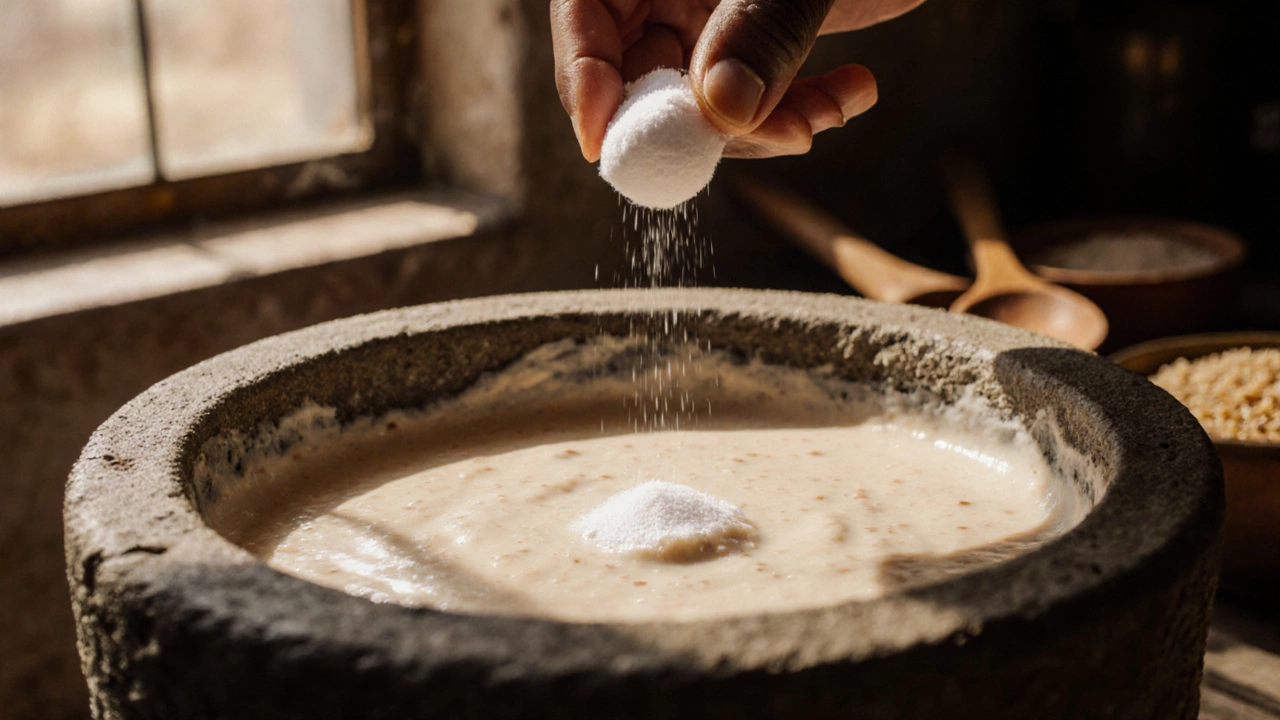
Temperature is everything. If your kitchen is cold, your batter won’t bubble. In winter, wrap the bowl in a towel and leave it near the stove. In summer, it might be ready in 6 hours. You’ll know it’s done when it smells tangy, looks frothy, and doubles in volume. Don’t skip the salt—it’s added after fermentation, not before. And never blend the batter too fine. A little texture? Good. That’s what gives the dosa its chew.
What you don’t see in most blogs? The water quality. Hard water kills fermentation. If your tap water tastes metallic, use filtered or boiled-and-cooled water. And yes, the same batter makes perfect idlis—if you steam it instead of spreading it. That’s the beauty of this base: it’s the Swiss Army knife of South Indian breakfasts.
Some think dosa batter is too fussy. But once you get the rhythm—soak overnight, grind coarse, wait for bubbles—it becomes second nature. You’ll start noticing how street vendors in Chennai or Bangalore adjust their ratios by season. They don’t follow recipes. They follow feel. And that’s what you’re learning here: not just how to mix, but how to read your batter.
Below, you’ll find real posts from home cooks and kitchen veterans who’ve cracked the code—why their dosas didn’t rise, how they fixed soggy batter, and the one trick that made their neighbors ask for the recipe. No fluff. No theory. Just what works, tested in Indian kitchens, one crispy dosa at a time.